


2025 Ford F-150 Comparison
Get Free Quote >2025 Ford F-150 Review: Seattle-Tacoma’s Ultimate Truck for Work and Adventure
SIMPLE PRESSURE-FREE F-150 SHOPPING
Build a 2025 Ford F-150 or Choose From F-150 in Stock!
253-270-2530 SPEAK TO A LIVE FORD TRUCK SPECIALIST
Shop all 2025 F-150The Bowen Scarff Ford Advantage! A Better Buying & Ownership Experience


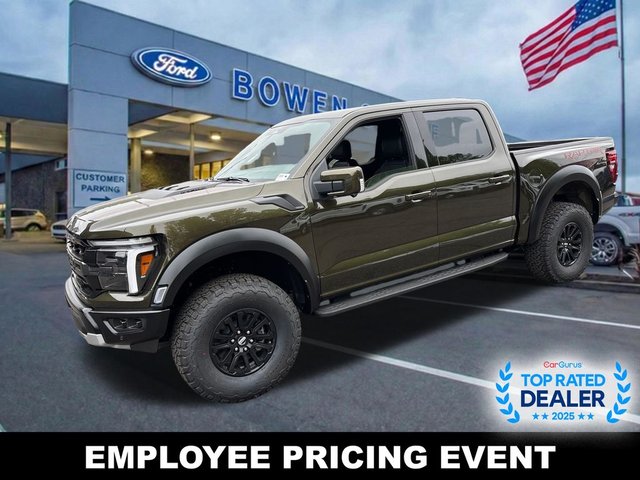
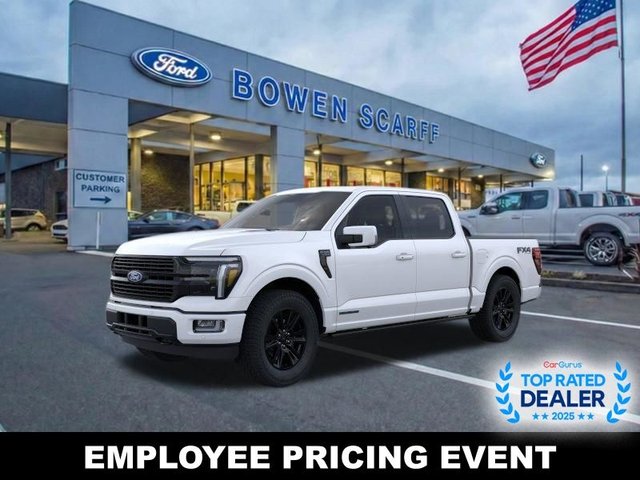
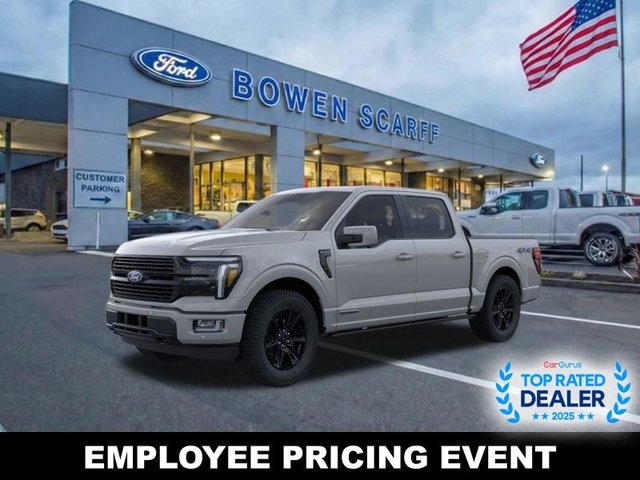
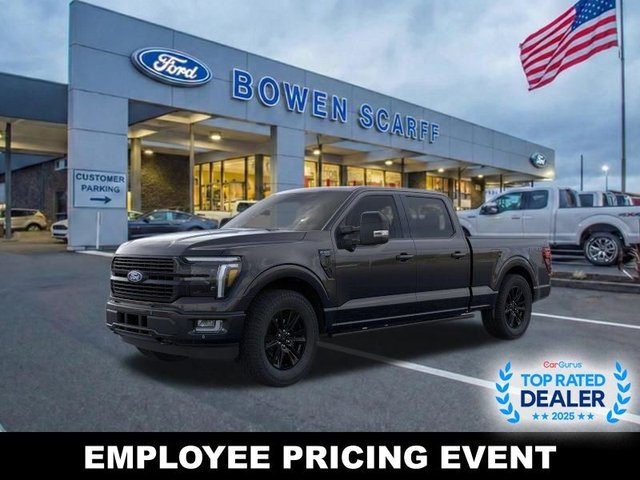
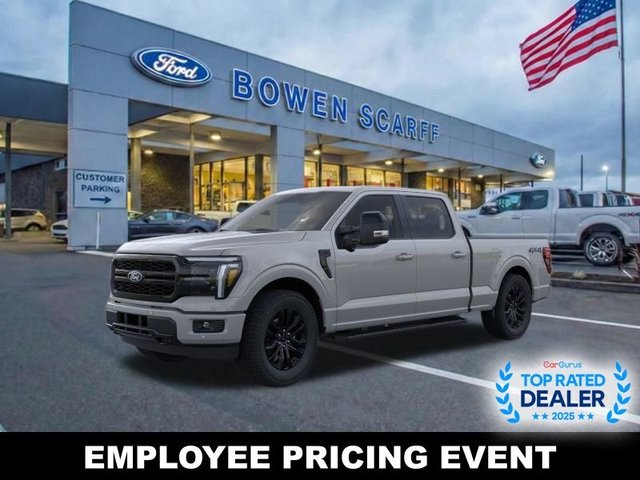
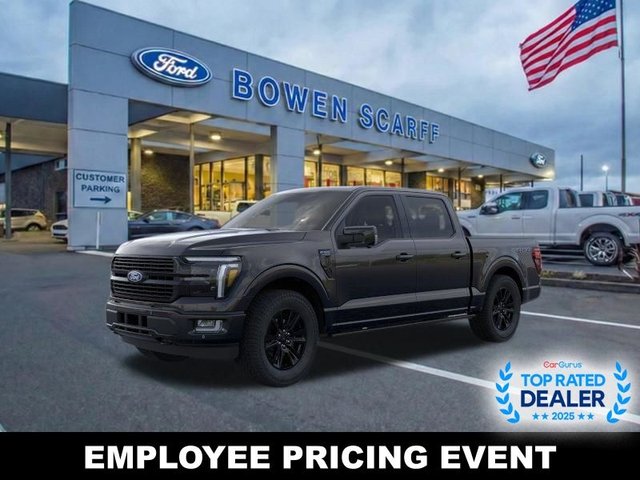
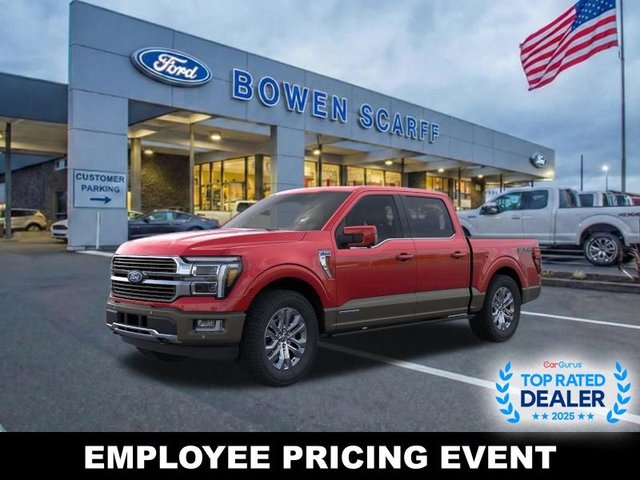
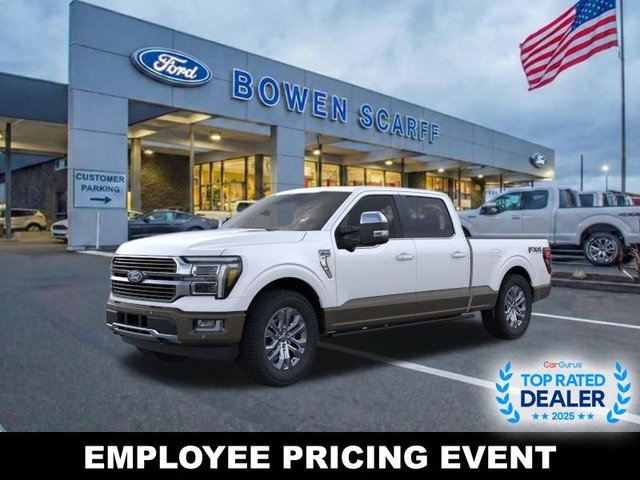
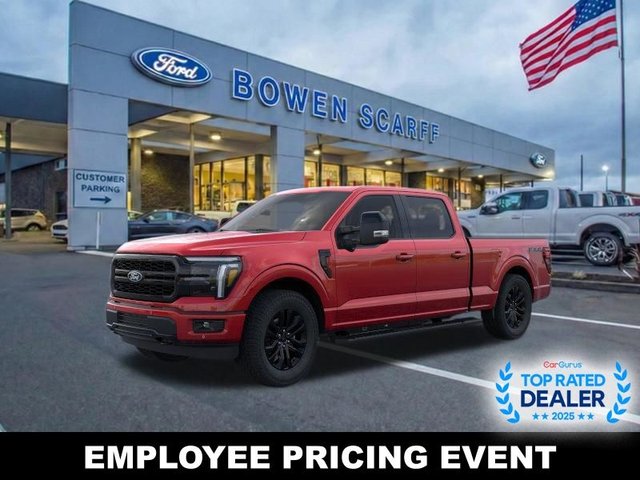
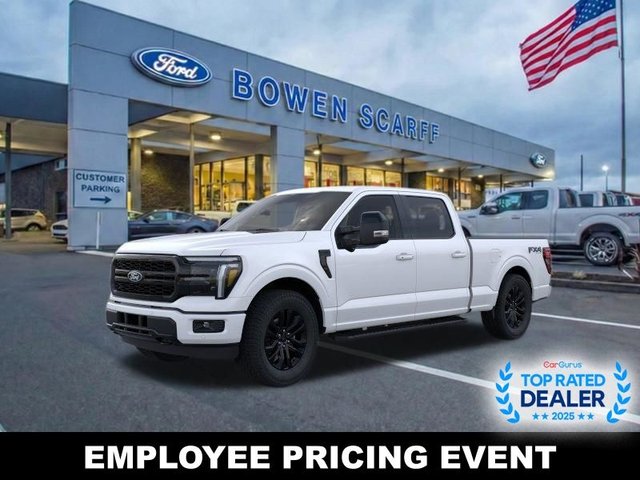
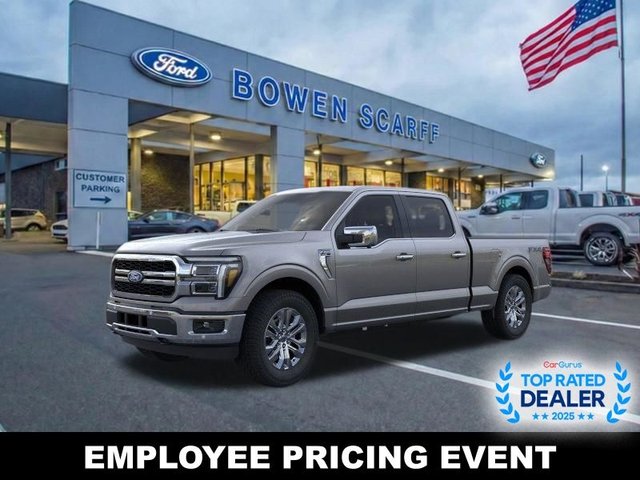
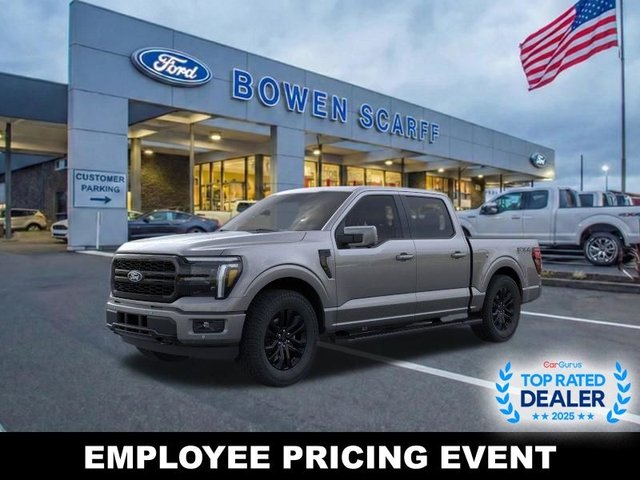
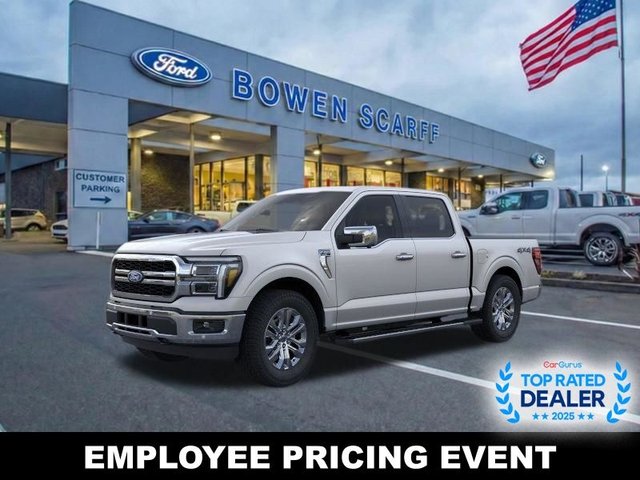
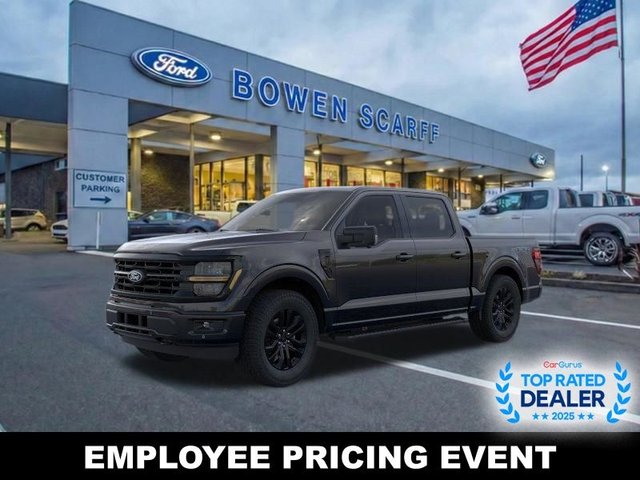
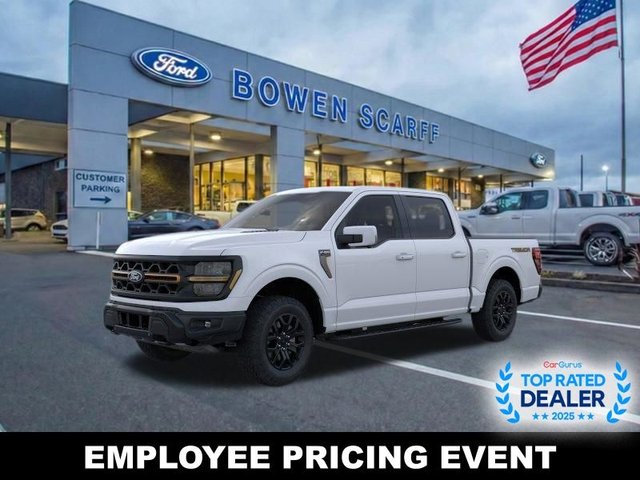
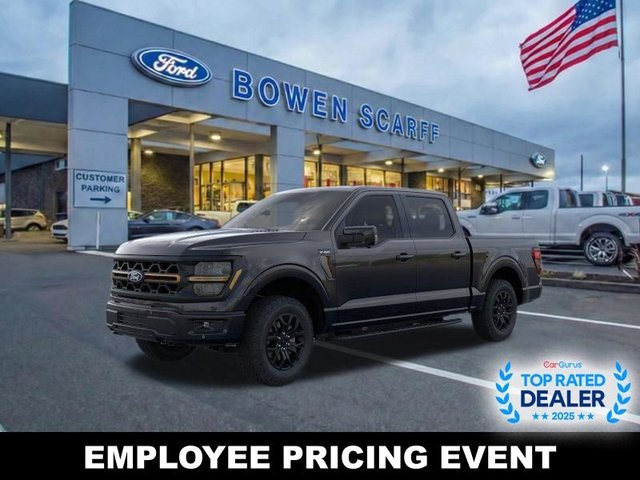
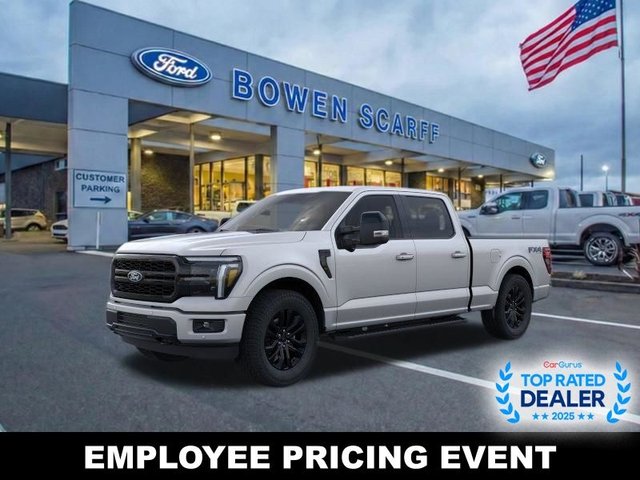
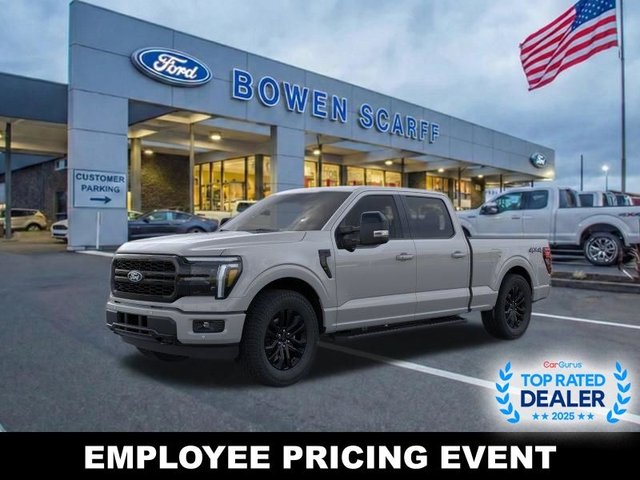
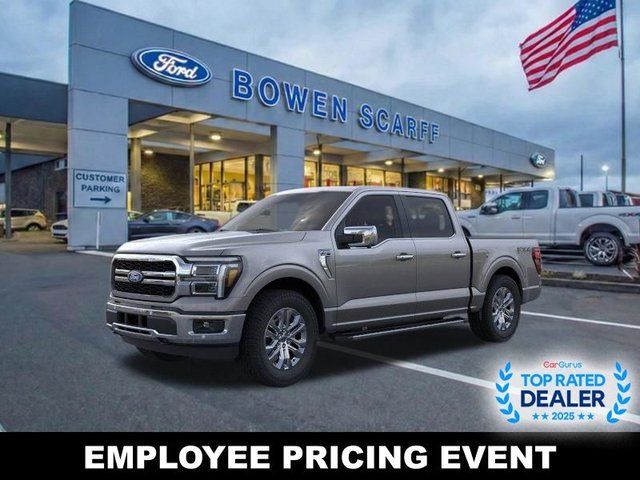
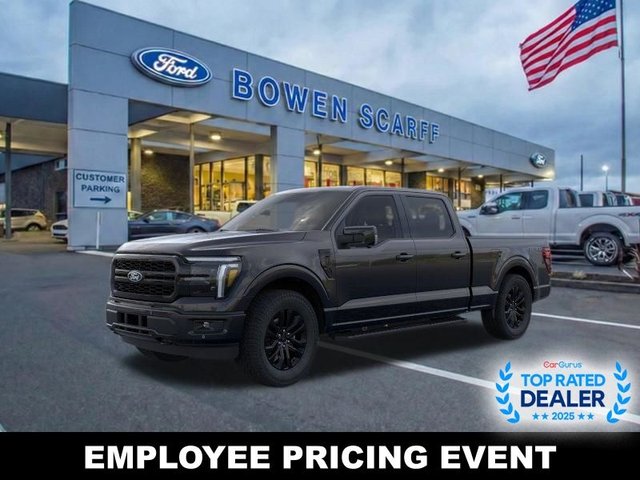
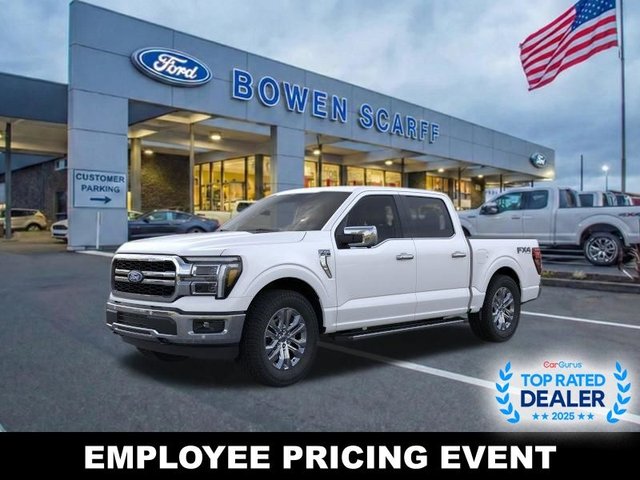
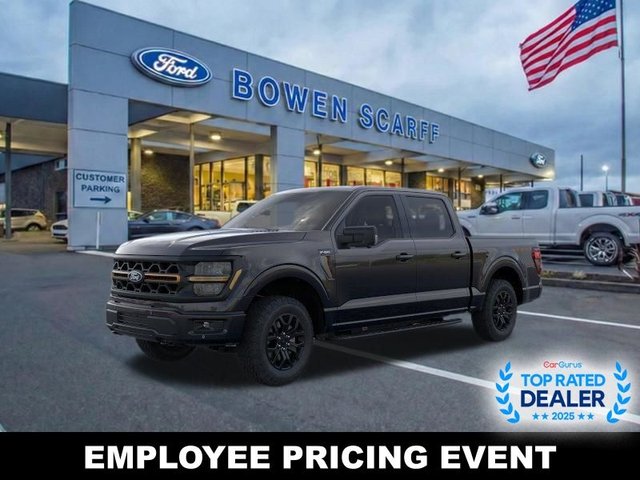
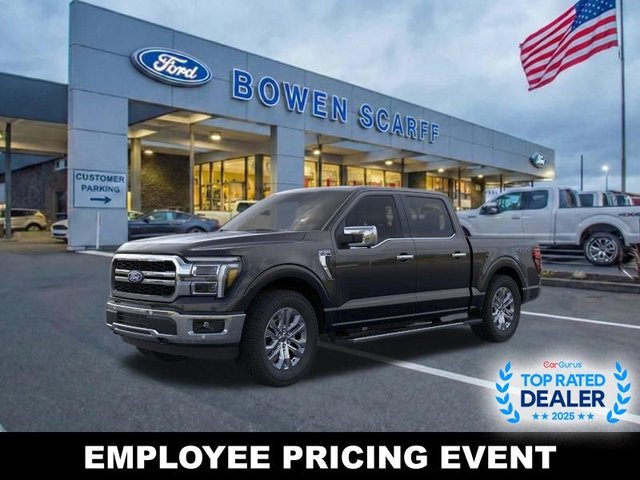
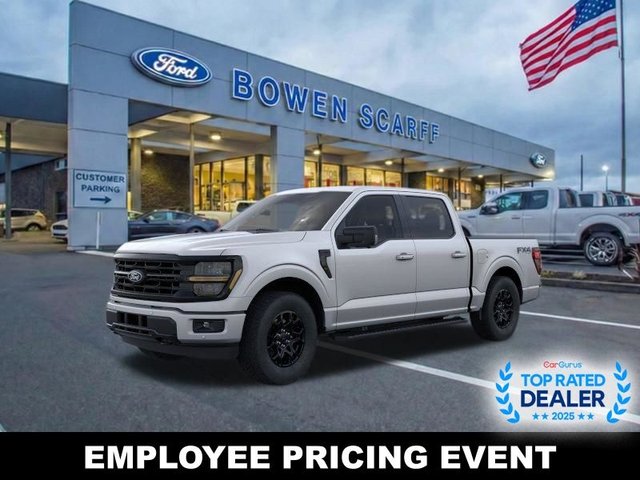
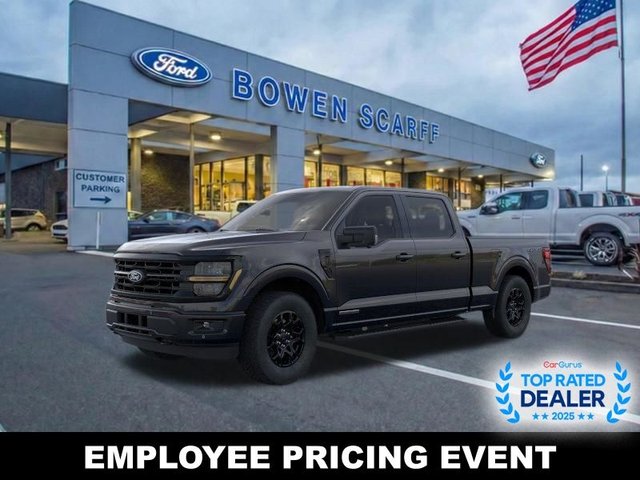
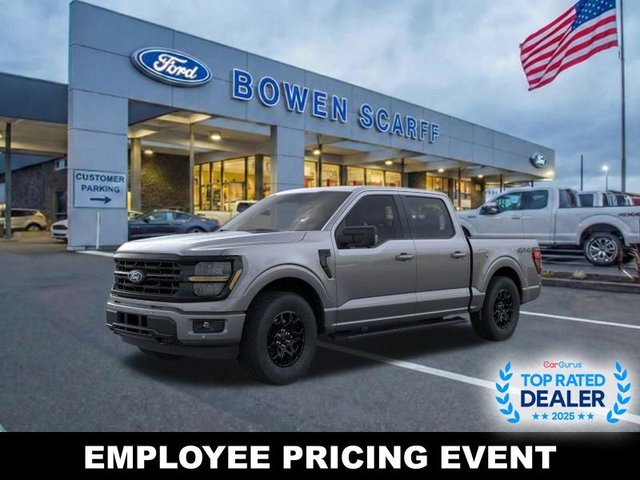
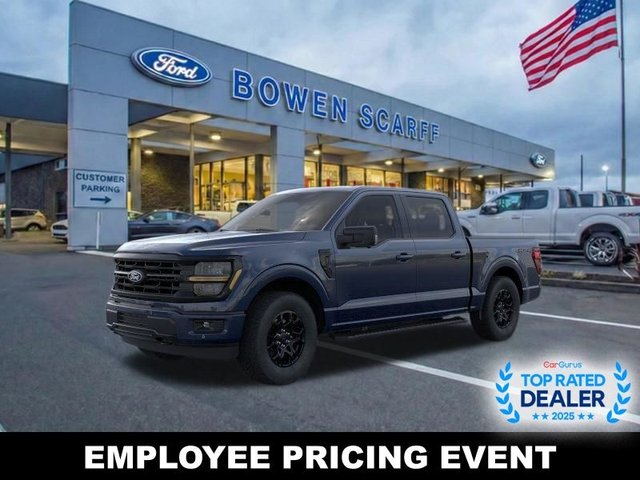
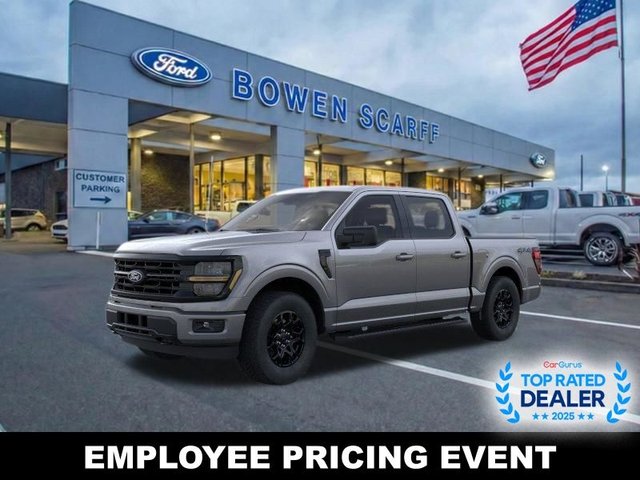
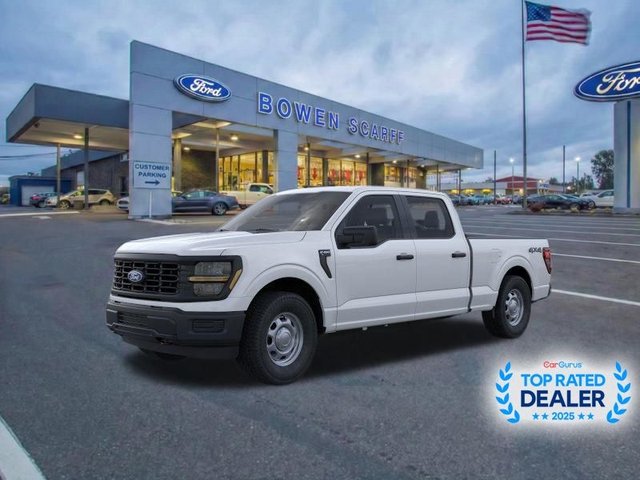
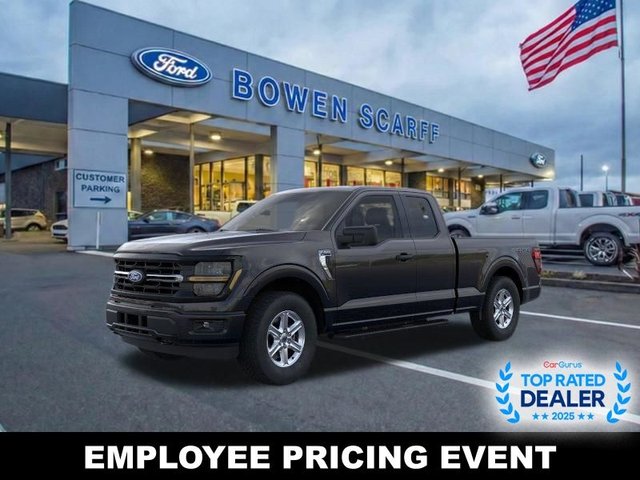
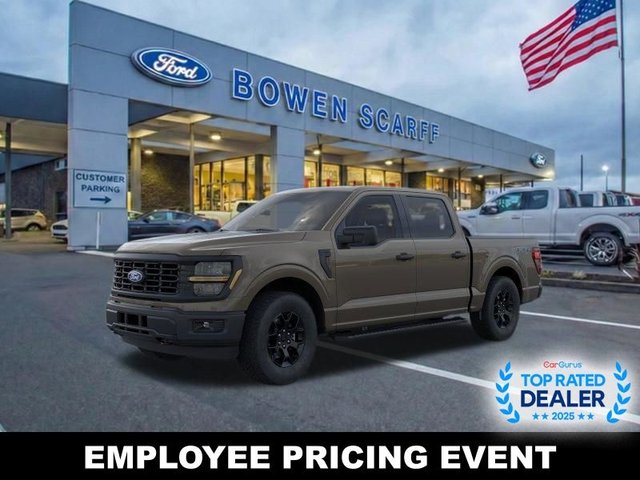
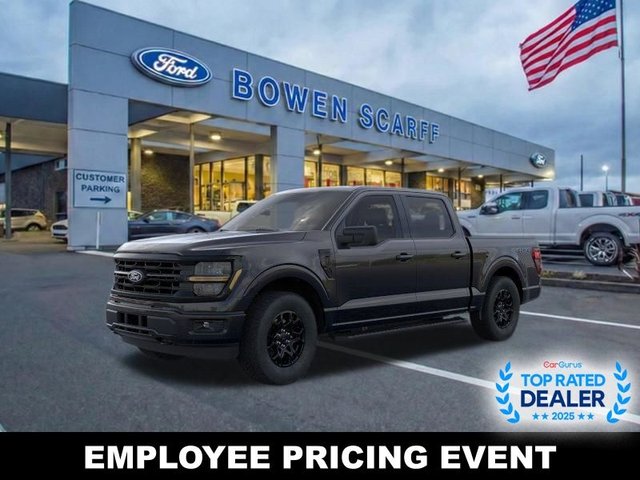
Seattle truck buyers demand a pickup that can tackle rainy city streets, muddy logging roads, and weekend getaways in the mountains. Enter the 2025 Ford F-150, a truck that enthusiasts are raving about like the latest YouTube sensation. This comprehensive review will compare every F-150 trim and engine option (with pros, cons, and MSRP pricing), explore recreational and job site use cases in the Seattle-Tacoma area, stack the F-150 against the Silverado 1500, Ram 1500, and Toyota Tundra, and even tackle common buyer questions. Let’s dive in with an enthusiastic deep dive into why the 2025 F-150 might just be the best truck for Washington drivers.
Trim Levels & Engine Options Comparison
Ford offers the 2025 F-150 in eight trims – from the no-frills XL to the off-road beast Raptor – each with its own personality, engine choices, and price pointford.comford.com. Here’s a breakdown of every trim, including their MSRP, standard engine, and key pros and cons:
XL – The Workhorse Base Model
Starting MSRP: ~$38,800 (Regular Cab XL 4x2)
Engine (Std.): 2.7L EcoBoost V6 (325 hp, 400 lb-ft) a turbocharged V6 that punches above its weight.
XL Pros: Lowest price point; rugged and simple (built for job sites). Comes standard with a 12-inch touchscreen with SYNC4 and 5G connectivity – no bare-bones tiny screen here!ford.com Ford Co-Pilot360 safety tech and LED headlamps are standard, improving safety and visibility. The EcoBoost V6 provides strong torque for daily tasks.
XL Cons: Very basic interior trim (vinyl seats, minimal frills). Fewer comfort features (no standard power seats or heated options). The focus is on function over form, so it lacks the flash or luxury of higher trims. Options like the 5.0L V8 or 4x4 drive add to the cost.
STX – Style on a Budget
Starting MSRP: ~$45,000 (SuperCab STX 4x2)
Engine (Std.): 2.7L EcoBoost V6 (same output as XL).
STX Pros: Based on XL but with an upgraded appearance – body-color grille and trim, 18-inch alloy wheels and a sportier lookford.com. Offers more curb appeal for not much more money. Still a great value for Tacoma F-150 deals hunters who want a cool-looking truck without hitting XLT pricing. Retains the big 12-inch touchscreen and connectivity features.
STX Cons: Essentially an XL with a cosmetics package – it doesn’t add a lot of new tech or luxury features beyond style. Still lacks many convenience features (no standard heated seats or advanced tech options). Limited configurations (it’s an appearance package, so fewer factory options than XLT).
XLT – The Popular All-Rounder
Starting MSRP: $45,700 (SuperCab XLT 4x2)
Engine (Std.): 2.7L EcoBoost V6 (325 hp) standard; 5.0L V8 optional ($2,340 extra). (The 5.0L Ti-VCT V8 makes 400 hp and 410 lb-ft.)
XLT Pros: The XLT is where tech and comfort meet value. It adds more productivity features to the base truck: the same big 12-inch screen but now with available features like BlueCruise (hands-free highway driving) and Pro Trailer Backup Assist for easy towingford.com. You can option an XLT with creature comforts (power seats, heated seats, the Mobile Office Package with interior work surface, etc.). It’s one of the most popular trims for Seattle truck buyers because it balances price and features. The new Black Appearance Package can turn the XLT into a sleek street truck if that’s your style.
XLT Cons: Can get pricey with options – a fully loaded XLT might overlap with Lariat pricing. Some advanced features (like leather seats or the larger digital gauge cluster) still aren’t available – you’d need Lariat for those. The interior, while comfortable, uses cloth seats (durable but not as premium). If you stick with the standard 2.7L engine, you might crave more power for heavy towing (though it’s strong for most uses).
Lariat – High-Tech Comfort
Starting MSRP: ~$63,360 (SuperCrew Lariat 4x4)
Engine (Std.): 5.0L V8 (400 hp) is standard on Lariat. (3.5L EcoBoost V6 is a no-cost option, and the 3.5L PowerBoost hybrid is also available.)
Lariat Pros: The Lariat is where luxury and technology ramp up. You get heated and ventilated ActiveX-trimmed front seats, a leather-wrapped wheel, dual-zone climate, and moreford.com. The exterior is dressed up with chrome accents and LED projector headlampsford.com. Many advanced features become standard or available: bigger digital instrument cluster, B&O premium audio, and enhanced Co-Pilot360 options. Selectable drive modes and the powerful V8 give it plenty of capability. It’s a truck that’s equally at home pulling up to a Seattle valet as it is towing a trailer.
Lariat Cons: The price jump from XLT is significant – you’re paying for the luxury. The standard 5.0L V8 trades some low-end torque for that classic V8 roar, so some drivers might prefer the EcoBoost V6 option (which has 500 lb-ft torque) for towingford.com. Chrome-heavy styling may not appeal to those who prefer a sport or blacked-out look (though appearance packages can address that). In short, you’re paying Lexus money for a truck – but you do get a lot of truck for it.
Tremor – Off-Road Attitude
Starting MSRP: ~$64,915 (SuperCrew Tremor 4x4)
Engine (Std.): 5.0L V8 (400 hp, 410 lb-ft) with standard 4x4
Tremor Pros: The F-150 Tremor is a factory off-road special built for our Pacific Northwest terrain. It rides higher with upgraded suspension and 33-inch all-terrain tires on matte-finish 18” rimsford.comford.com. Skid plates, a Torsen front differential, and Trail One-Pedal Drive and Trail Turn Assist are available to make off-roading near Mt. Rainier a breezeford.comford.com. It even has six upfitter switches ready for accessories like light bars or winches. The Tremor looks the part with unique badging and accents (Active Orange trim inside, Tremor logos) – it’s an enthusiast’s off-road truck without going full Raptor. And unlike Raptor, it retains decent payload/towing. The V8 provides plenty of grunt and a classic feel.
Tremor Cons: It’s pricier than a standard Lariat but less equipped in luxury – you’re paying for off-road hardware instead of leather and tech. The ride is stiffer and taller (great off pavement, but a trade-off in everyday comfort and fuel economy). Max towing is lower than a similarly powered F-150 without the off-road package (the Tremor 5.0L 4x4 can tow around 10,900 lbs vs. up to ~13k in a road-going F-150). Also, no one buys a Tremor for fuel mileage – those mud tires and V8 will visit the pump frequently. But hey, you don’t get a truck like this to sip fuel!
King Ranch – Western Luxury
Starting MSRP: ~$74,905 (SuperCrew King Ranch 4x4)file-2pydnzkruw2c6rkhtzhwgd
Engine (Std.): 3.5L EcoBoost V6 (400 hp, 500 lb-ft) – the King Ranch now comes standard with the twin-turbo EcoBoost for more torque. (Hybrid optional.)
King Ranch Pros: King Ranch is all about Texas ranch-inspired luxury – which Pacific Northwest folks also appreciate for its durability and style. It features distinctive Del Rio leather upholstery embossed with the iconic King Ranch “Running W” logo on the seats and center console. Front captain’s chairs are heated and cooled, and nearly every surface is high-end leather or wood-look trim. It’s like a luxury saddle on wheels. King Ranch trucks are very well-equipped, often including Ford’s latest tech (like BlueCruise hands-free driving, 360º camera, premium audio, etc., typically in high package versions). It’s perfect for those who want luxury with a bit of country flair – pulling up to the marina or trailhead in style.
King Ranch Cons: The themed styling (brown leather, western motifs) isn’t for everyone – if you prefer a modern monochromatic luxury vibe, the Platinum is more your style. The price is high, and you might pay extra for options that are standard on similarly priced competitors. Also, the EcoBoost V6 lacks the V8 engine note some traditionalists love (though it outperforms the old V8 in torque). Basically, you’re paying a premium for unique style; if you don’t love the King Ranch identity, a Platinum offers the same features in a different flavor.
Platinum – Executive Elegance
Starting MSRP: ~$74,905 (SuperCrew Platinum 4x4)file-2pydnzkruw2c6rkhtzhwgd
Engine (Std.): 3.5L EcoBoost V6 (400 hp, 500 lb-ft) standard. (Hybrid optional; a new Platinum Plus package may include the hybrid by default with 7.2kW Pro Power Onboard)
Platinum Pros: The Platinum is the F-150 in tailored suit and tie. It’s packed with rich appointments – think real wood or aluminum trim, high-quality leather seats, and a distinctive satin-finish chrome exterior grilleford.com. It shines (literally and figuratively) as Ford’s showcase of luxury and technology. Everything from massaging Multicontour seats to the 12-speaker B&O audio to advanced driver assists can be included. The Platinum also gets unique 20-inch polished wheels and a refined look. For tech lovers, this is where the F-150 offers features like BlueCruise, a Head-Up Display, and Active Park Assist (depending on packages). It’s an F-150 that can rival luxury SUVs in comfort while still towing over 13,000 lbs when neededford.com. If you want to impress clients on a Seattle job site or just enjoy the best on your daily commute, Platinum delivers.
Platinum Cons: It’s expensive – approaching the $75k+ range before options. Some might find the Platinum’s shiny chrome and luxury focus at odds with the rough-and-tumble image of a truck (it’s almost too nice to get dirty… almost). Also, with the EcoBoost V6 standard, V8 fans have to option down (the 5.0L can be equipped at no cost if desired). The Platinum is feature-packed, but all those gadgets can be overwhelming if you’re just after a simple truck experience. Basically, if you just need a truck for basic tasks, this isn’t it – the Platinum is for pampering.
Raptor – Extreme Off-Road Performance
Starting MSRP: ~$79,005 (SuperCrew Raptor 4x4)
Engine (Std.): 3.5L High-Output EcoBoost V6 (450 hp, 510 lb-ft)ford.com – a twin-turbo tuned for high performance. Raptor R version available with a supercharged 5.2L V8 (720 hp, 640 lb-ft).
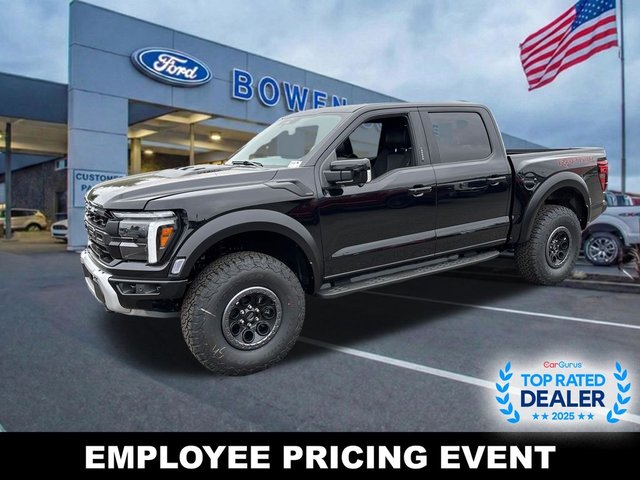
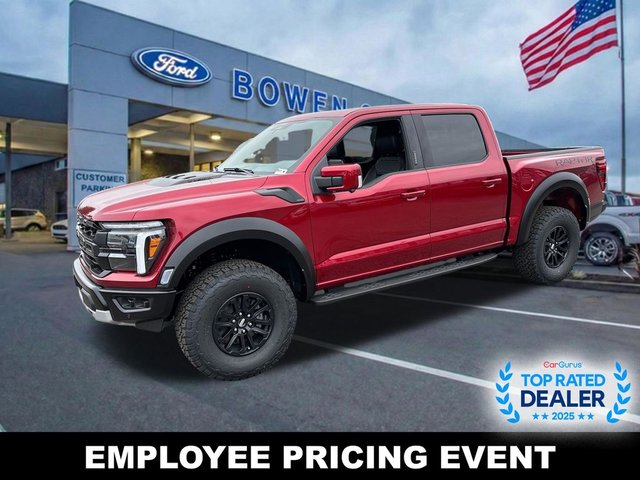
Raptor Pros: The F-150 Raptor is an off-road legend. It’s purpose-built to tackle desert dunes, forest trails, and anything in between at high speed. Heavy-duty skid plates, FOX Live Valve suspension with massive shocks, and 35-inch all-terrain tires are standard to absorb jumps and rocksford.comford.com. The Raptor’s suspension is so advanced that hitting a pothole in Tacoma feels like a pebble – it’s that good. It comes with a specialized Terrain Management System with 7 modes (including Baja, Rock Crawl, Deep Snow/Sand) to optimize performance off-roadfile-sbmfh1lgikrmvbqggsjzpv. Despite its off-road focus, it has a loaded interior (sport bolstered seats, paddle shifters, even an available HUD). The Raptor R takes it to another level with a 5.2L supercharged V8 pumping out a blazing 720 horsepowerford.comford.com – making it one of the most powerful trucks on the planet. There’s nothing quite like the roar of a Raptor R launching down a trail, kicking up sand and dirt in a 700+ hp fury!
Raptor Cons: It’s expensive and specialized. Raptor buyers pay for capability many will never fully use – if you don’t plan to bomb down off-road trails at 50+ mph or catch air, you’re lugging around heavy-duty hardware (and a wide body) for the look. The Raptor’s towing (≈8,200 lbs max) and payload are lower than lesser F-150s due to the off-road suspensionford.com. Its wide track can be a tight squeeze on narrow trails or city parking spots. Also, fuel economy is… let’s just say, you’ll get to know your gas station attendants well. The Raptor R, while awesome, pushes near six-figure price territory – that’s supercar money. But for those who need (or simply want) the ultimate off-road truck, Raptor delivers in spades.
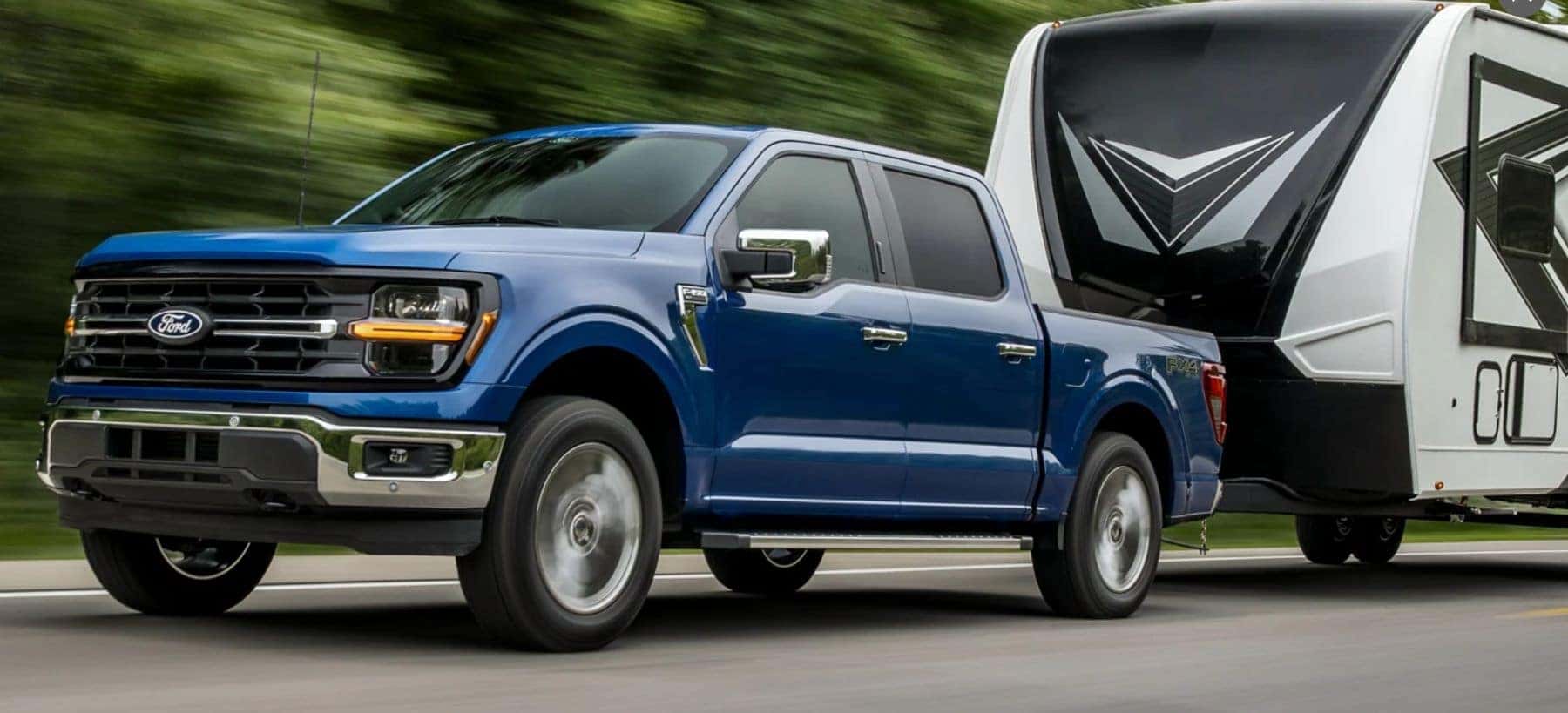
Above: A 2025 F-150 Platinum towing a camper on a tree-lined Washington road. With up to 13,500 lbs of available towing capacityford.com, the F-150 makes hauling your trailer to Olympic National Park or your boat to Puget Sound look easy.
Engines at a Glance: Power, Torque, and Capability
One of Ford’s advantages is the immense lineup of engines for the F-150. Whether you’re after efficiency, brute strength, or high-tech hybrid power, there’s something for everyone. Here’s a quick comparison of the engine options:
| Engine & Configuration | Horsepower / Torque | Max Towing (lbs)* | Max Payload (lbs)* | Notable Features & Availability |
|---|---|---|---|---|
| 2.7L EcoBoost V6 (twin-turbo) | 325 hp @ 5,500 rpm 400 lb‑ft @ 3,500 rpm |
8,400 | 1,775 | Standard on XL, STX, XLT. Punchy and efficient for its size, good all-around performance. |
| 5.0L “Coyote” V8 (NA, PFDI) | 400 hp @ 6,250 rpm 410 lb‑ft @ 4,250 rpm |
12,900 | 2,225 | Standard on Tremor, Lariat (and available on XL/XLT). Classic V8 rumble, great payload capacity. |
| 3.5L EcoBoost V6 (twin-turbo) | 400 hp @ 6,000 rpm 500 lb‑ft @ 3,100 rpm |
13,500 | 2,440 | Standard on King Ranch & Platinum. Best towing engine; gobs of torque and quick acceleration. |
| 3.5L PowerBoost V6 (hybrid) | 430 hp @ 5,750 rpm 570 lb‑ft @ 3,000 rpm |
11,200 | 1,750 | Optional on XLT-up (std. on some Platinum models). Combines EcoBoost V6 + 47 hp electric motor for massive torque and includes Pro Power Onboard generator (2.4kW standard, 7.2kW available). Great for efficiency and work site power. |
| 3.5L HO EcoBoost V6 (performance tune) | 450 hp @ 5,850 rpm 510 lb‑ft @ 3,000 rpm |
8,200 | ~1,400 (est) | Standard on F-150 Raptor. High-output version of EcoBoost built for off-road performance (Baja-proven). Lower towing by design. |
| 5.2L Supercharged V8 (“Predator”) | 720 hp @ 6,650 rpm 640 lb‑ft @ 4,300 rpm |
~8,000 (est) | ~1,400 (est) | Exclusive to F-150 Raptor R. An absolute monster engine borrowed from the Mustang Shelby GT500, hand-built with a signature plaque. Ultimate horsepower, but only in the ~$110k Raptor R. |
*(Max towing and payload values are for properly configured trucks with appropriate packages. Your results will vary by configuration.)
As you can see, whether you want a fuel-efficient hybrid or a tire-shredding V8, Ford’s got you covered. Notably, no other half-ton competitor offers a full hybrid – that’s a unique F-150 selling point (perfect for a Pacific Northwest off-road truck that also tackles city commuting)ford.com. And if you’re a power junkie, the Raptor R’s 720 hp is in a league of its own.
Tailored for Seattle-Tacoma: Use Cases
What makes the F-150 truly special is how it adapts to whatever you throw at it – especially in the diverse Seattle-Tacoma region. From mossy forest service roads to job sites downtown to fishing trips on the Sound, there’s an F-150 configuration for every task. Let’s look at a few recreational and work use cases common in Washington:
The available Pro Power Onboard generator (2.4 kW standard or 7.2 kW with hybrid) can power tools on-sitefile-sbmfh1lgikrmvbqggsjzpv, a huge perk for contractors around Seattle.
Forestry & Logging Roads
Exploring Washington’s dense forests or accessing remote logging roads near Mt. Rainier demands toughness and traction. The F-150 has options like the FX4 Off-Road Package (available on 4x4 models) which adds skid plates, off-road tuned shocks, an electronic locking rear diff, and All-Terrain tires – perfect for muddy logging trailsford.com. The Tremor and Raptor trims take it up a notch with increased ground clearance and specialized off-road suspensionford.comford.com. For forestry work, an F-150 XL 4x4 with the FX4 package and maybe the 5.0L V8 is a reliable partner – you get a durable suspension and the payload to throw chainsaws, fuel cans, and gear in the bed. The Trail Control feature (think off-road cruise control) on Tremor/Raptor can manage low-speed climbs or descents on uneven terrain, so you can focus on steering around obstacles. And with selectable drive modes like Deep Snow/Sand and Mud/Ruts, you can dial in traction for the specific conditions at handfile-sbmfh1lgikrmvbqggsjzpv. Whether you’re a forestry engineer or just adventuring on backroads, the F-150’s combination of strong 4x4 systems and tech (like hill descent control and 360º cameras to spot obstacles) gives you confidence on unpredictable forest roads.
Fishing & Boating Trips
From the Puget Sound to inland lakes, fishing is a beloved pastime here. The F-150 is ready to tow your boat or camper with ease. Even the mid-level engines have solid towing: the 2.7L EcoBoost can pull about 8,400 lbs – enough for a bass boat or small camp trailerford.com. Need more? The 3.5L EcoBoost V6 can tow up to 13,500 lbs, great for larger wake boats or RVsford.com. Importantly, the F-150’s smart towing features make life easier: Pro Trailer Backup Assist lets you steer your trailer via a knob (the truck handles the steering) – super handy when backing down a boat ramp or into a tight camping spot. There’s also an available 360º camera with a specific cargo bed and trailer hitch view, so lining up the hitch is a one-and-done deal. Once you’re at the water, the lockable fold-flat rear storage under the back seats is great for securing fishing rods and tackle out of sight (it can fit long items like rods or even rolled-up blueprints)file-bryvspdrgtda5f5t4yfkee. And if you opt for the hybrid, you effectively have a generator with you – imagine powering an electric grill or lights at a remote fishing camp using the Pro Power Onboard in your truck bed! The F-150 is truly an outdoorsman’s companion. Just don’t forget to share some of that fresh salmon you haul in!
Construction & Job Sites
On job sites from Seattle to Tacoma, the F-150 is a familiar sight – and for good reason. It’s basically a tool on wheels for many contractors. The 2025 F-150 only strengthens that reputation with features like Pro Power Onboard, which turns the truck into a mobile generator. With the hybrid’s 7.2 kW system, you can run heavy-duty tools (think saws, compressors) right from your truckfile-sbmfh1lgikrmvbqggsjzpv. Even non-hybrids can be equipped with a 2.0 kW inverter, enough to charge battery packs or run smaller tools. No more searching for outlets or hauling a generator – your F-150 is the power source. Additionally, Ford’s BoxLink system and available Bed Utility Package give you cleats, locks, and tie-down points all over the bed to secure lumber, pipes, or equipment (plus an integrated tailgate step to climb in easily). For construction managers on the go, the new Mobile Office Package is a game-changer: it provides an interior work surface by stowing the shifter and unfolding a flat desk on the center console – perfect for doing paperwork or using a laptop right from the driver’s seat during site visits. And let’s not forget payload – depending on config, an F-150 can haul over 2,000 lbs in the bed easilyford.com, so loading up gravel, cement bags, or tools is no issue. With features like Zone Lighting (which can light up all sides of the truck remotely via the FordPass app), you can even illuminate a job site in the early morning or late evening. It’s clear Ford had contractors and tradespeople in mind, making the F-150 a trusty work partner in the field.
Off-Road Adventures (Mt. Rainier & Olympic National Park)
When the weekend comes, many of us load up our trucks and head for the trails. The F-150, especially in its off-road-oriented trims, lives for this. Around Mt. Rainier and Olympic National Park, you’ll encounter everything from snow and mud to rocky gravel paths. A Tremor or Raptor is ideal here: both have specialized off-road modes. For example, Trail 1-Pedal Drive (on Tremor/Raptor) lets you modulate throttle and braking with just the gas pedal for precise slow crawling – great for rocky terrain or weaving through tight trailsford.comford.com. The Raptor has a Baja mode for high-speed dune running, and Rock Crawl mode for technical sectionsfile-sbmfh1lgikrmvbqggsjzpv. But even a well-equipped XLT or Lariat with 4x4 will do Washington proud – the FX4 package’s skid plates and all-terrain tires ensure you don’t rip out the undercarriage on a surprise rock or stump. The available 360º Trail Camera views (on higher trims) effectively give you a spotter’s view, stitching cameras together so you can see obstacles in front of your tires – extremely useful when cresting a hill not knowing what’s on the other side. And if you’re venturing off-grid, the hybrid’s Pro Power Onboard can support you at base camp (blend a post-hike smoothie or inflate an air mattress, why not!). With the F-150’s combination of raw capability and smart tech, tackling off-road adventures in the Olympics or Cascades isn’t just possible – it’s downright fun. As an enthusiastic reviewer would say after bombing around in the dirt: this truck can absolutely tear it up off-road, then drive you home in comfort.
F-150 vs. The Competition
No truck exists in a vacuum, and the half-ton segment is fiercely competitive. The Chevrolet Silverado 1500, Ram 1500, and Toyota Tundra are the F-150’s main rivals in Seattle-Tacoma driveways. All are solid trucks, but each has its own strengths and weaknesses compared to the F-150. Here’s an honest take on how the 2025 F-150 stacks up:
Ford F-150 vs. Chevy Silverado 1500:
The Silverado has made big improvements, with a newer interior and a range of engines (including a turbo-4, two V8s, and a diesel). However, Ford edges it out with sheer variety – Chevy does not offer a full hybrid, whereas Ford’s PowerBoost hybrid delivers 430 hp plus serious fuel efficiency and on-board powerford.com. Towing is neck-and-neck: Chevy maxes around 13,300 lbs, but the F-150 can do slightly more at 13,500 lbsford.com. The F-150’s high-output Raptor (450 hp) and Raptor R (720 hp) are in a different league than anything Chevy offers (the Silverado’s closest is the ZR2 Bison with 420 hp). On tech, Ford’s got BlueCruise hands-free driving available, while Chevy’s Super Cruise is limited to certain trims and not as broadly offered on 1500s. One area Chevy might appeal is that smooth Duramax diesel for those prioritizing highway MPG and range – but again, the F-150 hybrid can deliver great range too (and gas is cheaper than diesel nowadays). Overall, the F-150 excels in innovation (hybrid tech, Pro Power generator, etc.), while the Silverado focuses on tried-and-true V8 power. For many Pacific Northwest buyers, that Ford innovation is a big draw.
Ford F-150 vs. Ram 1500:
Ram has long been the standard for ride comfort, thanks to its unique coil-spring (or air suspension) rear setup. A Ram 1500 glides over bumps a bit smoother when unloaded. That said, Ford doesn't only offer a comfortable ride, it offers something Ram currently doesn’t: a hybrid with serious power. Ram’s “eTorque” mild hybrid is a small assist on their Hemi V8, whereas the F-150’s PowerBoost is a full hybrid system that can drive the truck on electric power at times and acts as a mobile generator. When it comes to interiors, the high-end Ram Laramie Longhorn and Limited have beautiful cabins, but Ford’s King Ranch and Platinum are right there too – it often comes down to style preference. Capability-wise, Ford has the edge: the F-150’s payload and towing slightly outrank Ram. For example, Ram’s max tow is about 12,750 lbs, a bit behind Ford’s 13.5k. And if we talk off-road, Ford’s Raptor lineup outguns Ram’s off-road king, the TRX, by offering more variation: the standard Raptor is V6 turbo (more agile), and the Raptor R’s 720 hp one-ups the TRX’s 702 hp supercharged V8. Ford gives buyers a choice of insane V8 or high-tech turbo power. In the daily grind, Ford’s driver assists (like BlueCruise) and the convenient features (like that interior work surface, or even simple things like the tailgate step Ford’s had for years) make the F-150 super user-friendly for work and play. Ram is a strong contender, but the F-150 excels in versatility and innovation, which tend to win over Seattle truck buyers who want a truck that can do it all.
Ford F-150 vs. Toyota Tundra:
Toyota completely redesigned the Tundra recently, and interestingly they dropped the V8 – all Tundras now use a twin-turbo V6, with a hybrid option on higher trims. Sound familiar? It’s basically following the EcoBoost and PowerBoost formula Ford pioneered. The Tundra hybrid makes a stout 437 hp and 583 lb-ft, which actually edges Ford’s PowerBoost by a hair in torque. However, the Tundra is a bit heavier and its transmission and rear suspension tuning prioritize ride comfort, so its towing maxes out around 12,000 lbs (the F-150 still leads with 13,500 lbs). One area the F-150 really shines against Toyota is in configurations: The Tundra doesn’t offer a regular cab or long bed options for most trims – it’s mainly Double Cab or CrewMax, while Ford gives you regular cab, SuperCab, SuperCrew, three bed lengths, etc. So if you need a specific setup (say a basic work truck, long bed, regular cab for a company fleet or a specific camper setup), Ford has you covered and Toyota doesn’t. The F-150 also offers features like the Pro Power Onboard (Toyota has an inverter, but it’s not as powerful), and Ford’s bed and interior tech (like that tailgate work surface or interior work table) are unique. Off-road, Toyota’s TRD Pro Tundra is competent (it has 2.5” FOX shocks, 33” tires, etc.), but a Tremor or Raptor will outperform it with more suspension travel and power. One thing Toyota has is reputed long-term reliability – but modern F-150s are proving robust too, and Ford’s extensive dealer network and Ford Pro support in Seattle means maintenance is easy. In summary, the new Tundra leveled up, but the F-150 still excels in sheer choice and max capability. Plus, if you want that classic V8, Toyota can’t help you – Ford can.
In the end, all these competitors are capable trucks, but the 2025 F-150 often comes out on top in the categories that matter: highest towing, among the highest payload, exclusive features (full hybrid, Pro Power generator, BlueCruise driving) and a model to fit any niche (from basic XL to desert-running Raptor). It’s no surprise the F-150 remains a bestseller in the Pacific Northwest. It’s simply the best truck for Washington drivers who refuse to compromise on anything.
Whether you’re a contractor in Tacoma, an adventurer gearing up for Rainier, or just someone who wants a reliable daily driver that can do everything, the 2025 Ford F-150 is built for you. It’s tough, smart, and versatile – truly a truck that lives up to the Pacific Northwest lifestyle. As an enthusiastic reviewer, I can confidently say the new F-150 excels where it counts and brings smiles whether you’re behind the wheel or just admiring it in your driveway. Feel free to ask any more questions, and see you out there on the trails or highways!
Buyer Q&A – Your In-Depth Questions Answered
We know Seattle-area buyers do their research. Below is an in-depth Q&A addressing some common questions prospective F-150 owners ask.
What is the 2025 F-150’s towing capacity in Washington (WA)?
It depends on configuration, but it’s best-in-class when properly equipped. The maximum towing capacity is 13,500 lbs for an F-150 with the 3.5L EcoBoost V6, 4x2 drivetrain, and Max Trailer Tow Package. In Washington state, that means you could confidently tow a large travel trailer or boat out to Lake Chelan or up over Snoqualmie Pass. Most mid-range F-150s (with 4x4 and popular engines) will tow in the 8,000–12,000 lb range – still plenty for utility trailers, campers, or a couple of ATVs. It’s important to match your specific truck to your towing needs: SuperCrew models with 4x4 have slightly less capacity than a 4x2, and engines differ (the 2.7L maxes around 8,400 lbs, the 5.0L around 13,000 lbs, the hybrid ~11,000 lbs). Always check the door jamb sticker for your exact tow rating. But rest assured, for Seattle truck buyers with heavy towing needs, the F-150 has you covered – and its smart towing tech (trailer brake controller, backup assist, blind-spot monitoring that covers the trailer) makes towing in WA safer and easier.
These updates help the 2026 model stand out in real-world jobsite use from Tacoma to Cle Elum.
How does the F-150 handle Pacific Northwest off-road conditions?
In a word: confidently. The PNW offers a mix of off-road challenges – snow in the mountains, mud in the rainforests, sand and rocks out east. The F-150 has engineered solutions for all of it. Every 4x4 F-150 gets selectable drive modes (e.g. Normal, Slippery, Deep Snow/Sand, Mud/Ruts) that adjust the truck’s traction and throttle for conditions. Equipped with the FX4 Off-Road Package or in trims like Tremor/Raptor, you also gain an electronic locking rear diff for maximum traction in slippery or uneven terrain. In our testing, a F-150 Tremor clawed up muddy logging roads without breaking a sweat – its all-terrain tires and elevated suspension were built for exactly that. Over in the Cascades, we found the hill descent control invaluable for easing down steep, slick trails without riding the brakes. And out on the dunes or gravel roads, the Raptor’s Baja mode lets you haul at high speeds off-road, soaking up bumps with rally truck prowess. The key is to pick the trim that matches your off-road ambition: an FX4-equipped XLT can handle light to moderate trails (ideal for weekend campers or hunters), while a Tremor or Raptor is practically an off-road sport vehicle ready for extreme adventures. Also, Ford builds in durability – high-mounted air intakes and waterproofing for deep puddles, extensive skid plate coverage, and tuned suspensions – meaning the F-150 can endure the rough stuff. In short, as a Pacific Northwest off-road truck, the F-150 is among the best. Just remember to air down your tires and maybe bring recovery gear if you’re really venturing deep; even the best trucks can get stuck given enough mud
Which engine option is best for me – EcoBoost, V8, or PowerBoost hybrid?
Great question! Each engine has its own personality suited to different needs:
- 3.5L EcoBoost V6 (400 hp/500 lb-ft) – If you tow heavy trailers regularly or just want that wave of turbo torque, this is a top pick. It provides the highest towing capacity (13,500 lbs) and really strong acceleration even with a load. Plus, it’s proven durable (a form of this engine has been powering F-150s for a decade). Downsides: the engine note is a whooshy turbo sound, not a classic V8 rumble, if that matters to you.
- 5.0L V8 (400 hp/410 lb-ft) – The choice for traditionalists and those prioritizing payload. The V8 gives a linear power delivery and that familiar muscle-car soundtrack. It shines for hauling: an F-150 with the 5.0L often has the highest payload ratings (over 2,000 lbs easily, up to ~2,225 lbs). It’s a simpler, naturally aspirated engine that some prefer for presumed longevity and easier maintenance. If you don’t tow super heavy often but do haul and want the sound, the V8 is great. It may rev a bit more to get into power vs. the turbo motors, and peak torque is lower than the EcoBoosts.
- 2.7L EcoBoost V6 (325 hp/400 lb-ft) – Don’t overlook the “little” EcoBoost. It’s a gem for many. Plenty of low-end torque, and actually the best fuel economy among the non-hybrids. If you mainly drive around town or commute on I-5, and tow only occasionally (small trailer, utility stuff), the 2.7L is more than enough. It makes the F-150 feel light on its feet. It’s standard on a lot of trims, which helps keep costs down. We love this engine for everyday use – it’s surprisingly quick unloaded, and you only notice its smaller size if you’re pushing max loads or high altitude passes.
- 3.5L PowerBoost Hybrid (430 hp/570 lb-ft) – This is the jack-of-all-trades. It has more power and torque than even the big EcoBoost, so performance is robust. It’s the only engine that can run purely electric at low speeds – imagine silent crawling in traffic or quietly rolling through a campground. If you do a lot of city driving in Seattle’s stop-and-go traffic, the hybrid will save you fuel (and wear on your ears – the engine shuts off frequently). It’s also excellent for off-roading, as the electric torque fills in power smoothly. And of course, Pro Power Onboard is a massive bonus – the hybrid turns your truck into a 7.2 kW generator, which is amazing for work or tailgating. Downsides: initial cost is higher, and if you’re doing mostly highway at high speeds not in traffic, the MPG advantage isn’t huge. Also, long-term maintenance might be a consideration (though these hybrids have been reliable to date). But for many, the hybrid is the best of both worlds – power and efficiency. Frankly, it’s a fantastic F-150 hybrid truck for Seattle drivers who split their time between city, work, and adventure.
- High-Output 3.5L / 5.2L V8 (Raptor/Raptor R) – these are special-case engines. If you’re asking this question, you likely aren’t cross-shopping these because you know you want a Raptor. The HO 3.5L (450 hp) is amazing for off-road performance and the 5.2L (720 hp) is bonkers extreme. They have lower towing/payload and worse fuel economy, but that’s not why you buy them. You buy them to jump sand dunes and have the most badass truck on the block.
n summary, for most people: the 2.7L is the value/efficiency choice, the 3.5L EcoBoost is the towing champ, the 5.0L V8 is the balanced workhorse with a side of V8 growl, and the PowerBoost hybrid is the high-tech all-rounder (great power, decent MPG, and unique features). Think about your main use (towing heavy = EcoBoost, daily driving/light work = 2.7 or hybrid, etc.) and you can’t really go wrong. Ford has really nailed giving an engine for every need.
Is the F-150 PowerBoost hybrid a plug-in? Do I need to charge it, and how’s the fuel economy?
The F-150 PowerBoost is a normal hybrid, not a plug-in, so you do NOT need to charge it. It charges itself while driving using regenerative braking and by the engine when needed. In essence, the hybrid system is seamless – you just gas it up and drive. The regenerative braking will capture energy when you slow down (for example, coasting down the hills on I-90 will send charge to the 1.5 kWh lithium battery). That battery then lets the truck do things like shut off the engine at stops, or even propel the truck briefly at low speeds under light load. It also provides the juice for the Pro Power Onboard generator. As for fuel economy, the official EPA numbers aren’t in this text, but based on the 2021-2024 models, an F-150 PowerBoost 4x4 gets around 24 MPG city / 24 MPG highway (roughly 24 combined). In real Seattle driving, owners report low-to-mid 20s MPG in mixed driving – which is insanely good for a full-size 4x4 truck. For comparison, a non-hybrid F-150 might get ~17–19 MPG combined, so the hybrid saves a lot of fuel over time. Importantly, it does so while giving you 430 hp and 570 lb-ft of torque – no other pickup gives you that mix of power and efficiency. As an F-150 hybrid truck in Seattle, it’s perfect: you’ll silently crawl in traffic (using no fuel at times), have plenty of power to merge onto the 5, and you won’t need to fill up as often (and when you do, it’s regular 87 octane). Long story short: no plugging in needed, and you get great MPG plus a powerhouse of an engine. It’s a win-win if the slightly higher upfront cost fits your budget.
How does Ford’s BlueCruise work, and can I use it around Washington?
BlueCruise is Ford’s hands-free highway driving assist, and it’s available on the 2025 F-150 (typically as an option on Lariat and above, or included in high packages). Think of it as adaptive cruise control and lane-centering on steroids – on pre-mapped “Blue Zones” (divided highways that Ford has mapped, including many stretches of interstates like I-5, I-90 & Highways like 167, 405 etc.), you can take your hands off the wheel and the truck will steer, accelerate, and brake by itself **.** It uses a driver-facing camera to ensure you’re still paying attention to the road (so you can’t nap or watch Netflix – nice try! ). In practice, it’s fantastic for road trips or daily commutes on the highway. I used BlueCruise on a drive down I-5 from Seattle to Portland and it significantly reduced fatigue – the truck handled stop-and-go traffic jams and open highway stints with equal competence. In Washington, you’ll find BlueCruise especially useful on stretches like I-5 around Tacoma (when traffic isn’t too heavy) or I-90 heading east where it’s mostly straight shots. It’s also great for crossing the 520 bridge or other highways where constant traffic slowdowns happen – the F-150 will automatically adjust speed for the car ahead, down to a stop, then resume. Important: BlueCruise is not full self-driving; you must be ready to take over if conditions change or if the system requests it. Think of it as an advanced co-pilot that can take some load off. It comes with a 1-year subscription from Ford (included when you purchase the option), after which you’d pay a subscription fee for the service to continue. From my perspective, it’s worth it if you do a lot of highway miles. Also, BlueCruise keeps improving via software updates. In the F-150, it’s nicely integrated – if you’re in a Blue Zone, the instrument cluster turns blue and you get a prompt that hands-free is available; then it’s smooth sailing. For Seattle area drivers, having BlueCruise is like having a little extra peace of mind on those long I-5 drives or when you just want to relax your hands on a boring stretch of highway. It’s one of those “welcome to the future” features that once you try, you’ll love.
How does the F-150 compare to the F-150 Lightning (electric truck)? Should I consider the Lightning in Washington?
The F-150 Lightning is Ford’s all-electric pickup. It’s an awesome vehicle in its own right (instant torque, no gas, great for the environment), but it serves a slightly different use case. The Lightning is terrific for drivers who have a consistent daily range (commute, errands within ~300 miles total, which is its EPA range) and access to charging at home or work – something relatively common in urban/suburban Seattle. It offers a lot of the same work capabilities: similar payload (~2,000 lbs) and can tow up to 10,000 lbs, though towing long distances is a challenge due to charging needs. The Lightning also has the Mega Power Frunk (a huge front trunk) which is super useful. However, for long road trips or if you regularly drive to remote areas (hello, campers and hunters), the gasoline/hybrid F-150 is more convenient – you can refuel anywhere and range isn’t an issue. Also, currently the Lightning doesn’t match the 13,500 lbs towing of a gas F-150 or offer things like a long bed or Raptor off-road equivalent. It does have Pro Power Onboard (up to 9.6 kW!) and even can power your house in a blackout if set up. If most of your driving is local and you have a charger, the Lightning is a revelation – whisper quiet, super quick (the extended battery version is ~580 hp and insanely fast), and lower maintenance. But if you need the proven long-haul versatility or you’re frequently beyond the reach of chargers, a traditional F-150 is the safer bet for now. Many buyers in Washington are considering going electric, and we’re lucky that Ford gives the Ford Pro Seattle network to support commercial EV fleets, as well as consumer EV support. In summary: for a daily driver around Seattle-Tacoma with occasional moderate trips, the Lightning is worth a look; for heavy towing, very long trips, or off-grid use, stick with the gas/hybrid F-150. And hey, if you just love the sound of a V8 or the smell of gasoline in the morning, the Lightning won’t scratch that itch – the 5.0L F-150 will!
Where can I find the best deals on a 2025 F-150 in the Seattle-Tacoma area?
Start by checking Bowen Scarff Ford’s official website for incentives – Ford often lists cashback offers, low-APR financing, or lease deals for the F-150. Ford Pro dealers like Bowen Scarff Ford in Kent, specialize in commercial sales and sometimes have promotions for small business buyers. Don’t be shy about asking for special fleet offers. And if factory order banks are open, you could order exactly the spec you want – sometimes Ford has bonus incentives for ordered vehicles where you can lock in todays specials, and if they change at delivery pick the best incentive of the two.
How Does a 2025 Ford F-150 Order Work?
Save your model selection and your spot. You will be able to complete the configurations on your Ford F-150 before you finalize your order.

Reserve
Fill out the reservation form and submit your request.

Order
We will reach out shortly before order banks open this summer to finalize
configurations, verify pricing, and place your order.

Ship
We will notify you when 2026 Ford Super Duty production and deliveries begin.
Online Reservation FAQs
What is a reservation?
A reservation puts you on our list to be among the first to order a 2026 Ford F-150. It is not an actual order and does not guarantee delivery. While you’re waiting for the order banks to open, we will keep you updated on all things Maverick.
What steps are required to complete my reservation?
Go online and select “Step 1 Start Reservation” fill out the reservation form and submit your request to join the list for a new 2026 Ford F-150 truck. A confirmation will display after the form is submitted and an email will be sent to the address in the reservation form.
When can I order my F-150?
Prior to order banks opening, we will reach out to help you complete your F-150 build. We’ll be able to answer any questions, come to a pricing agreement, and then submit your order as soon as order banks open. We expect the ordering window to open sometime this summer/fall.
When will my vehicle be delivered?
Production and delivery timing varies depending on configuration and order submission date.
Since this is one of our most popular models, delivery typically takes 6+ months. Once Ford
schedules your order for production, you will be able to track your Super Duty production and
delivery progress.
Am I buying this vehicle directly from Ford?
No. The purchase agreement will be between you and Bowen Scarff Ford, not you and Ford
Motor Company.
DISCLAIMER: *By completing the reservation process, you are not ordering or purchasing a vehicle. Participation in the program does not guarantee your vehicle delivery. Your reservation does not guarantee a set price for the vehicle.