

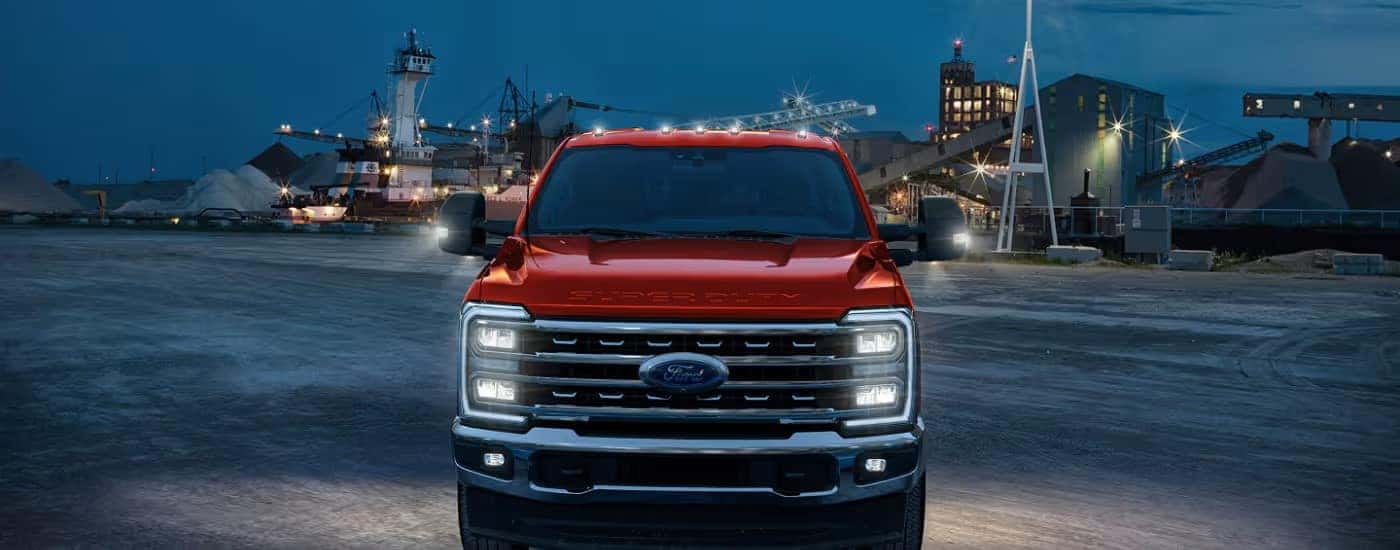
Ford F-250 vs. F-350: Which Super Duty Does Your Business Actually Need?
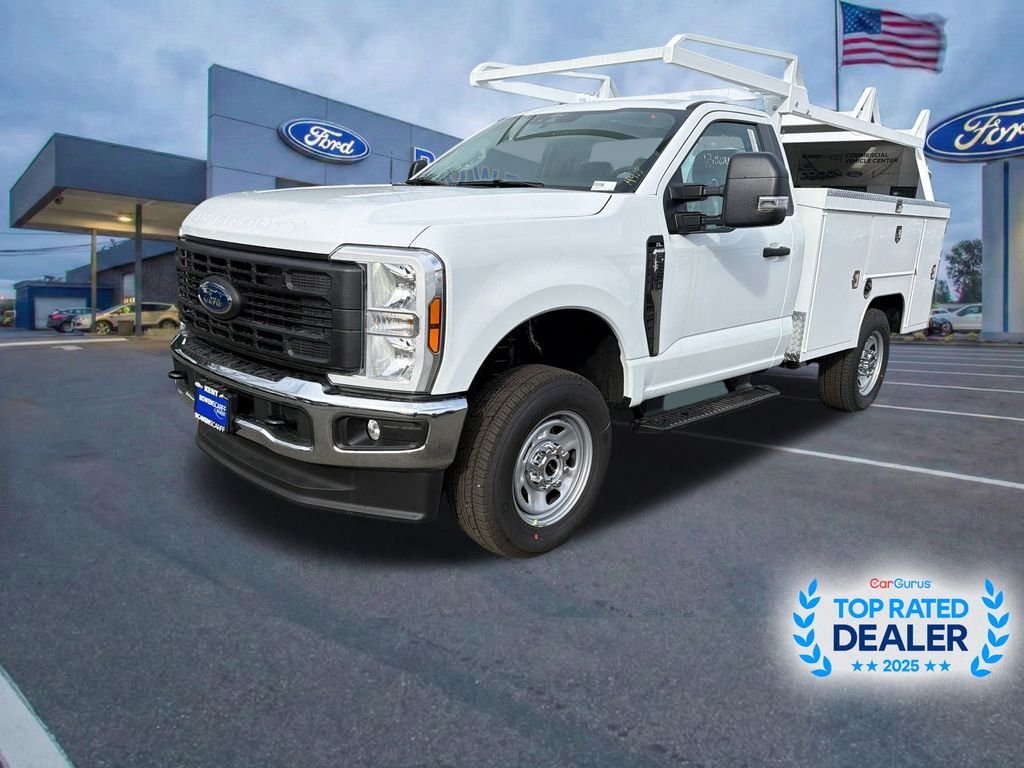
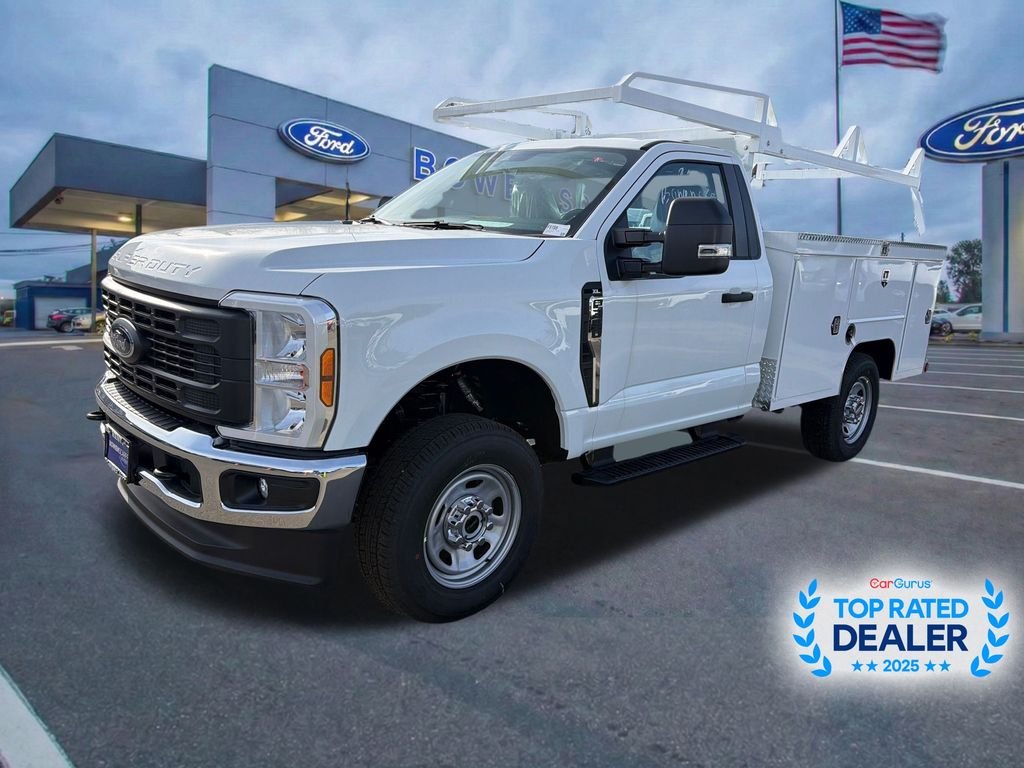
Determining the specific requirements for a commercial vehicle in the Pacific Northwest requires a clear understanding of the mechanical differences between the F-250 and the F-350. While both trucks utilize the same heavy-duty platform and high-strength, military-grade, aluminum-alloy body, they are engineered to meet different operational thresholds. For many businesses operating near 1157 Central Ave N, Kent, WA 98032, the decision often centers on whether the daily workload involves dense payloads or high-capacity trailering that pushes beyond the limits of a standard three-quarter-ton pickup.
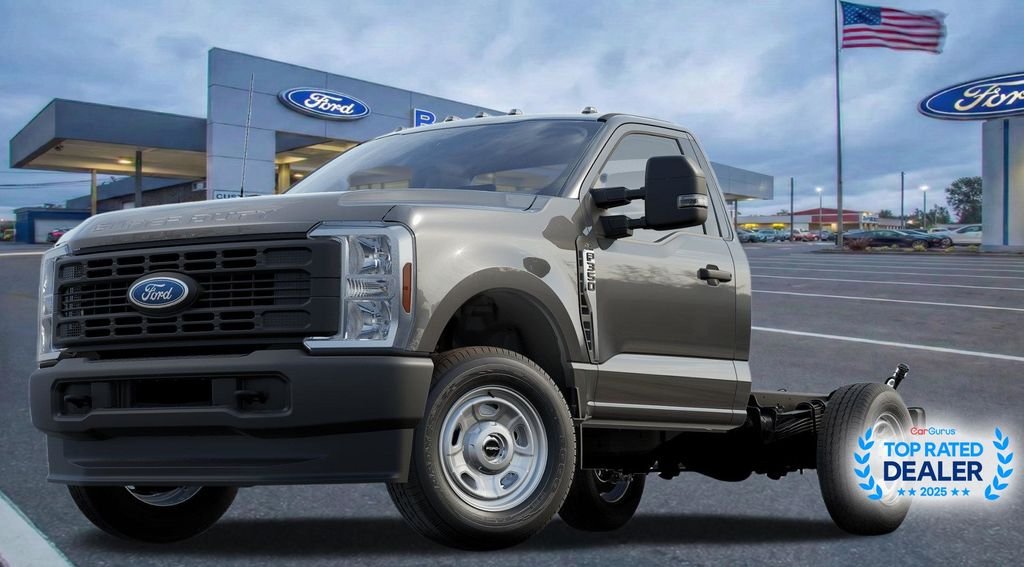
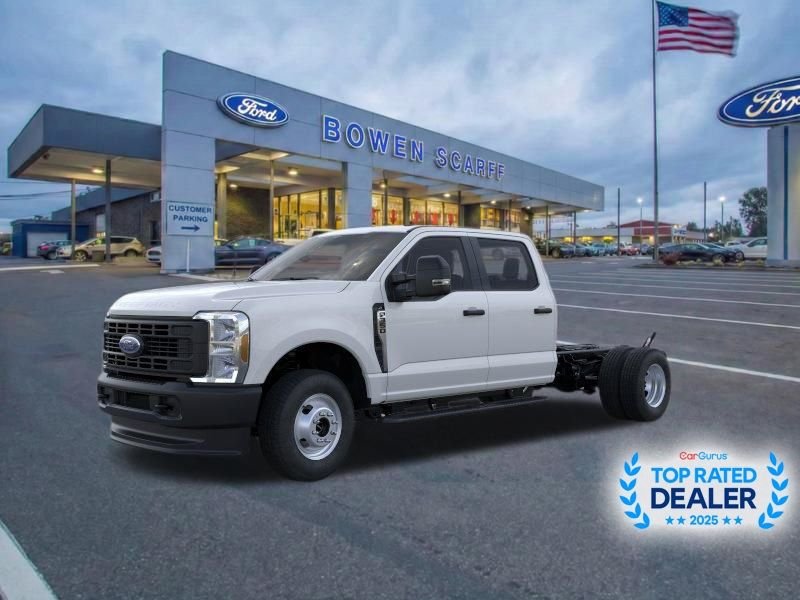
The primary differentiator for business use is the Gross Vehicle Weight Rating (GVWR). The F-350 is designed with a higher GVWR, which translates directly into increased legal hauling capacity. This is achieved through a more robust rear suspension setup, often including auxiliary leaf springs that remain inactive until the bed is under significant load. In contrast, the F-250 is frequently favored by contractors who prioritize a slightly more compliant ride quality when the truck is empty, while still requiring the ability to tow up to 22,000 lbs with a conventional hitch when properly equipped.