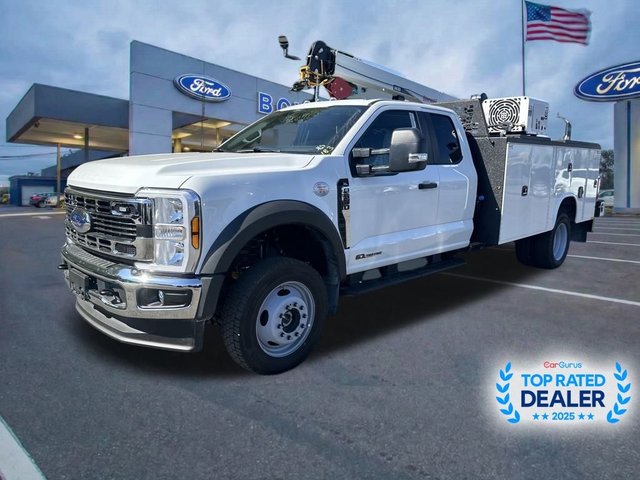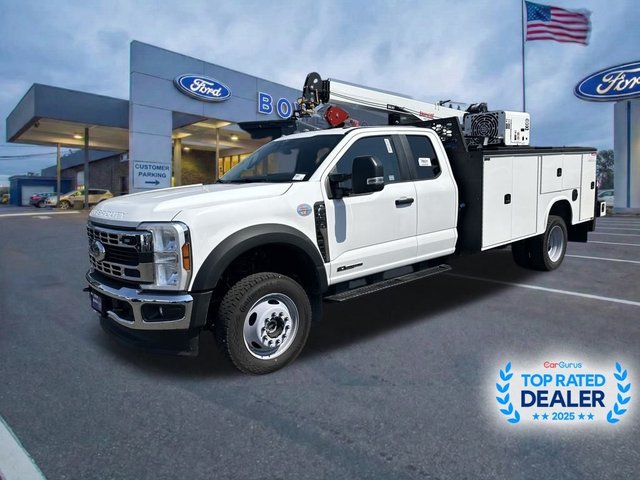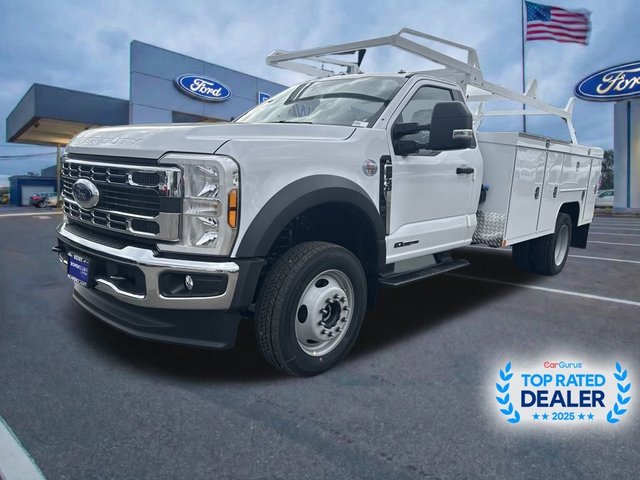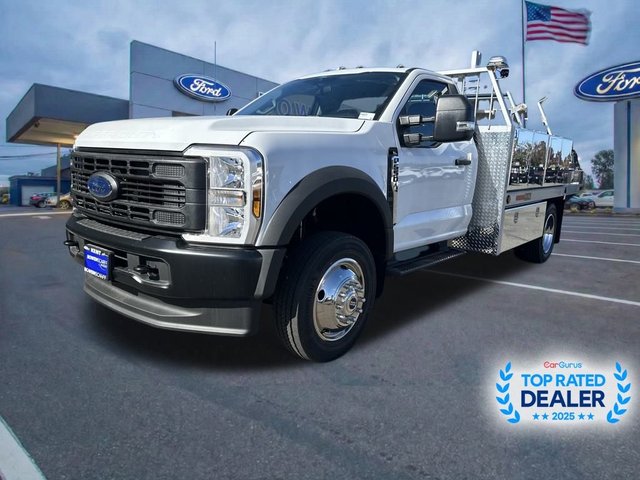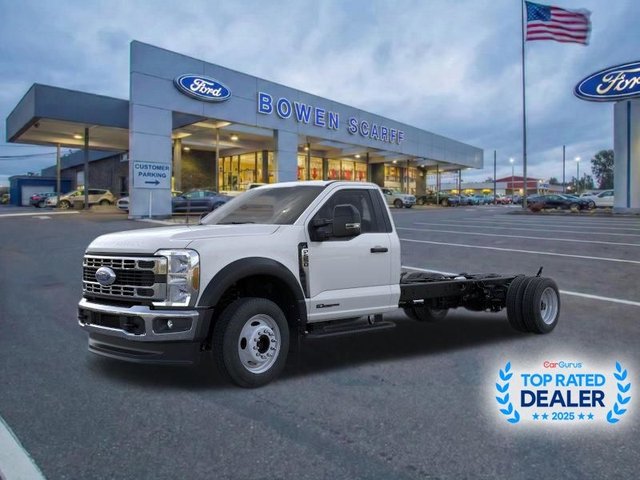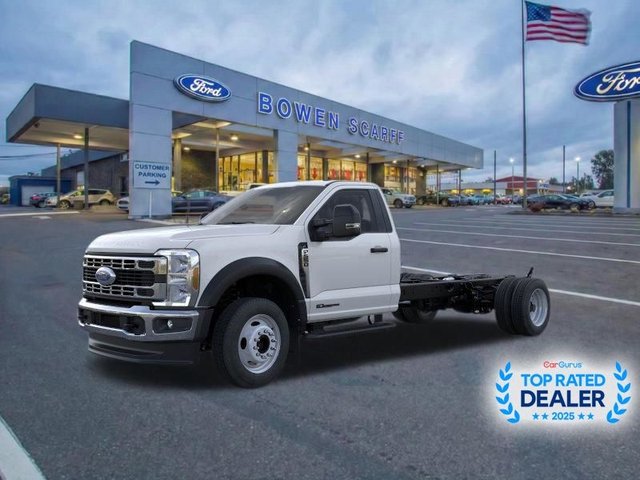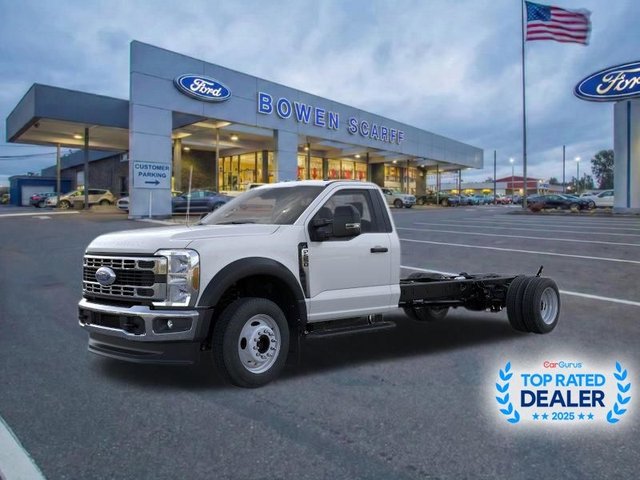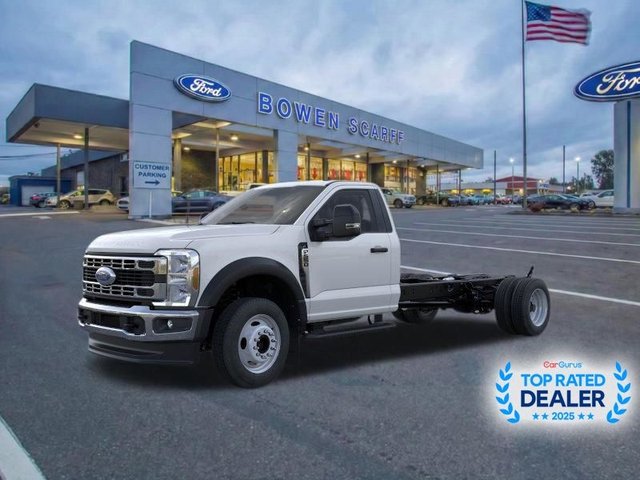


Ford F-550 vs. F-650
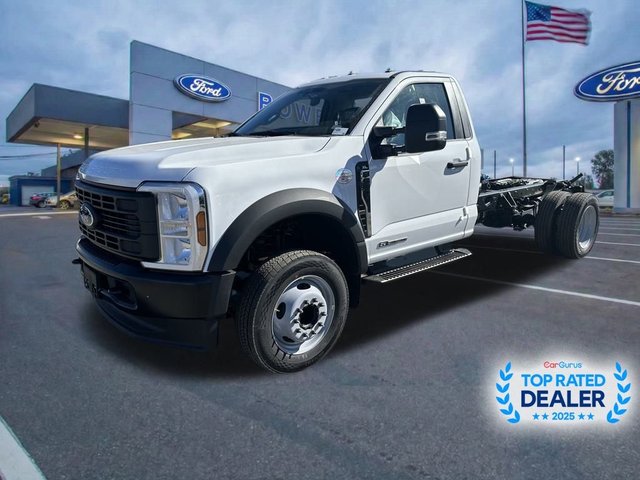
Ford F-550 Chassis Cab
Versatile medium-duty performance with exceptional maneuverability for urban and suburban fleet operations.
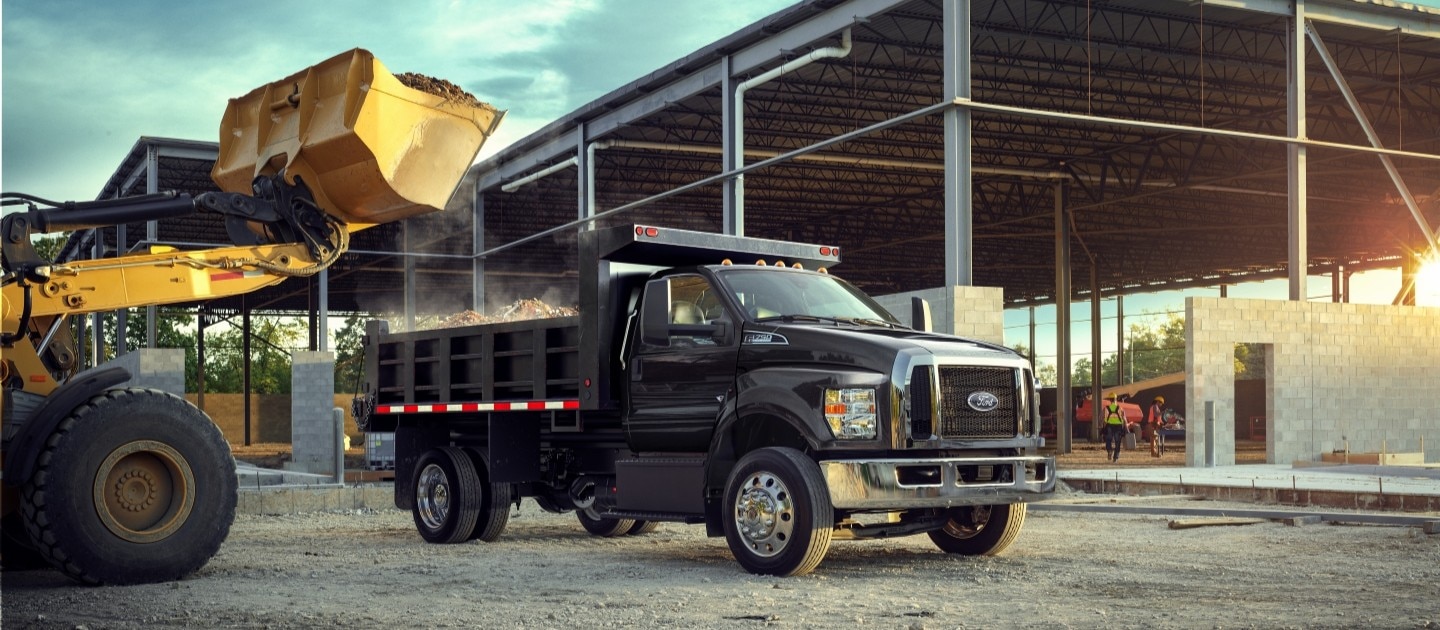
Ford F-650 Super Duty
Heavy-duty capability with maximum payload capacity for demanding commercial and industrial applications.
Contact Our Kent Ford Specialists Today | 253-813-5068
Key Specifications That Differentiate the 2026 Ford F-550 and F-650
When comparing the 2026 Ford F-550 and F-650, several critical specifications set these medium-duty trucks apart, influencing their suitability for different fleet applications. Aside from the obvious differences in size and weight capacity, the F-650 introduces enhancements in chassis strength, suspension design, and overall build that cater to heavier-duty commercial tasks.
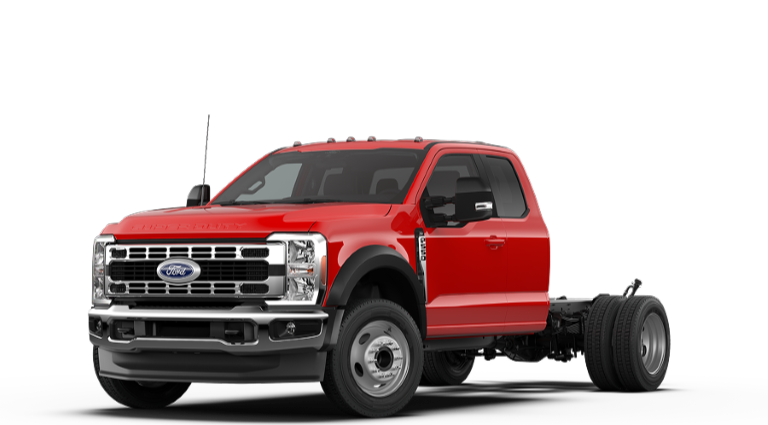
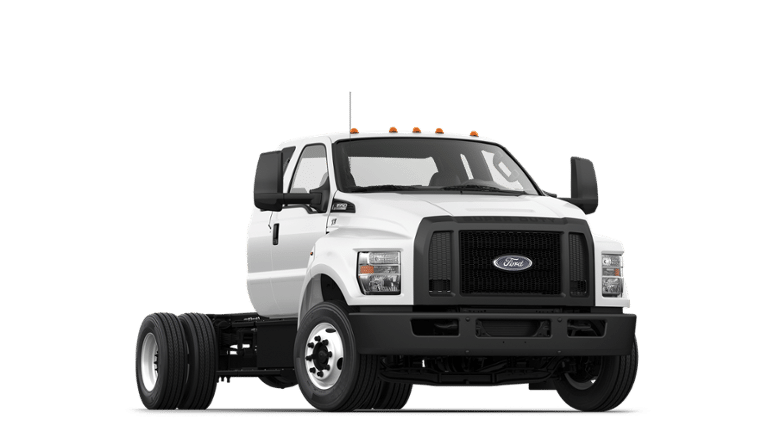
One of the primary distinctions lies in the chassis and frame construction. The Ford F-650 is built on a robust, commercial-grade steel frame designed to handle substantial payloads and demanding operating conditions. This frame supports a higher Gross Vehicle Weight Rating (GVWR), which for the F-650 can reach up to 26,000 pounds, depending on configuration. In contrast, the F-550, while sturdy and reliable, has a GVWR capped at around 19,500 pounds, making it better suited for lighter medium-duty tasks.
The suspension systems also differ notably. The F-550 typically employs a traditional leaf-spring setup optimized for moderate loads and ride comfort. In contrast, the F-650 incorporates heavy-duty multi-leaf springs or optional air suspension systems to enhance load balancing and vehicle stability under significant weight. This difference directly affects ride quality and handling when operating at maximum payload.
Dimensions also play a role in operational flexibility. The F-550's more compact footprint allows for easier maneuvering in tight urban settings or confined job sites, making it a practical choice for fleets requiring agility. Meanwhile, the F-650's larger frame provides more room for specialized upfits, such as tow bodies, dump trucks, or service beds, accommodating more complex vocational needs.
In terms of braking, the F-650 often comes equipped with enhanced braking systems designed for the increased GVWR and heavier loads, including optional air brakes—a feature not standard on the F-550. This upgrade supports safer stopping power in demanding conditions.
Overall, these specification differences highlight the F-550's role as a versatile, mid-range medium-duty truck. At the same time, the F-650 is tailored for more intensive commercial applications requiring greater durability, payload, and customization potential. Fleet managers must weigh these factors carefully to select the truck that best fits their operational demands.
Engine Options and Performance Capabilities of the 2026 Ford F-650
The 2026 Ford F-650 is engineered to deliver robust power and endurance suited for demanding commercial applications. Unlike the F-550, which typically offers gasoline V8 and diesel V8 engines, the F-650 expands its engine lineup with heavy-duty powertrains tailored for medium-duty truck performance. The standard engine for the F-650 is a 6.7-liter Power Stroke® V8 Turbo Diesel, producing approximately 330 horsepower and 750 lb-ft of torque. This powerplant is renowned for its torque output, crucial for hauling heavy loads and towing large trailers efficiently.
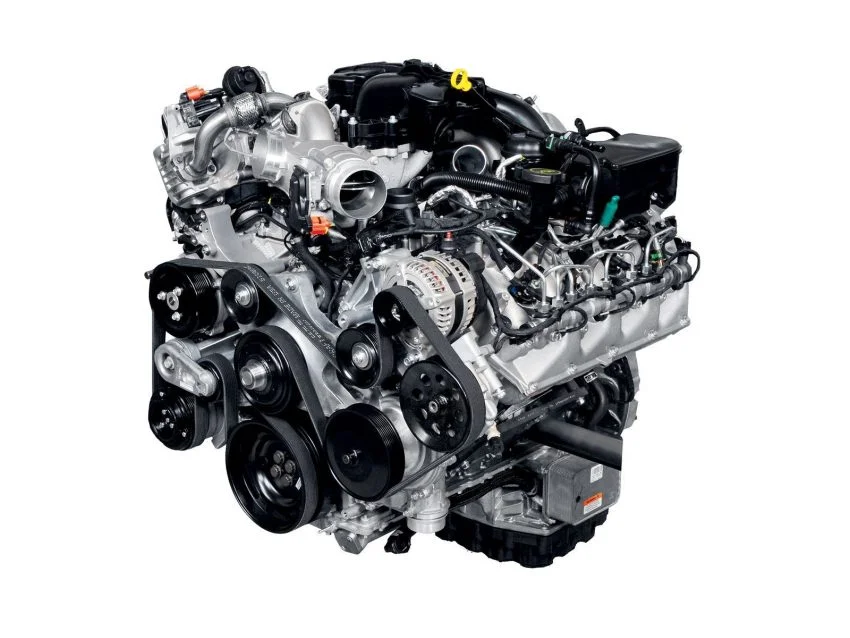
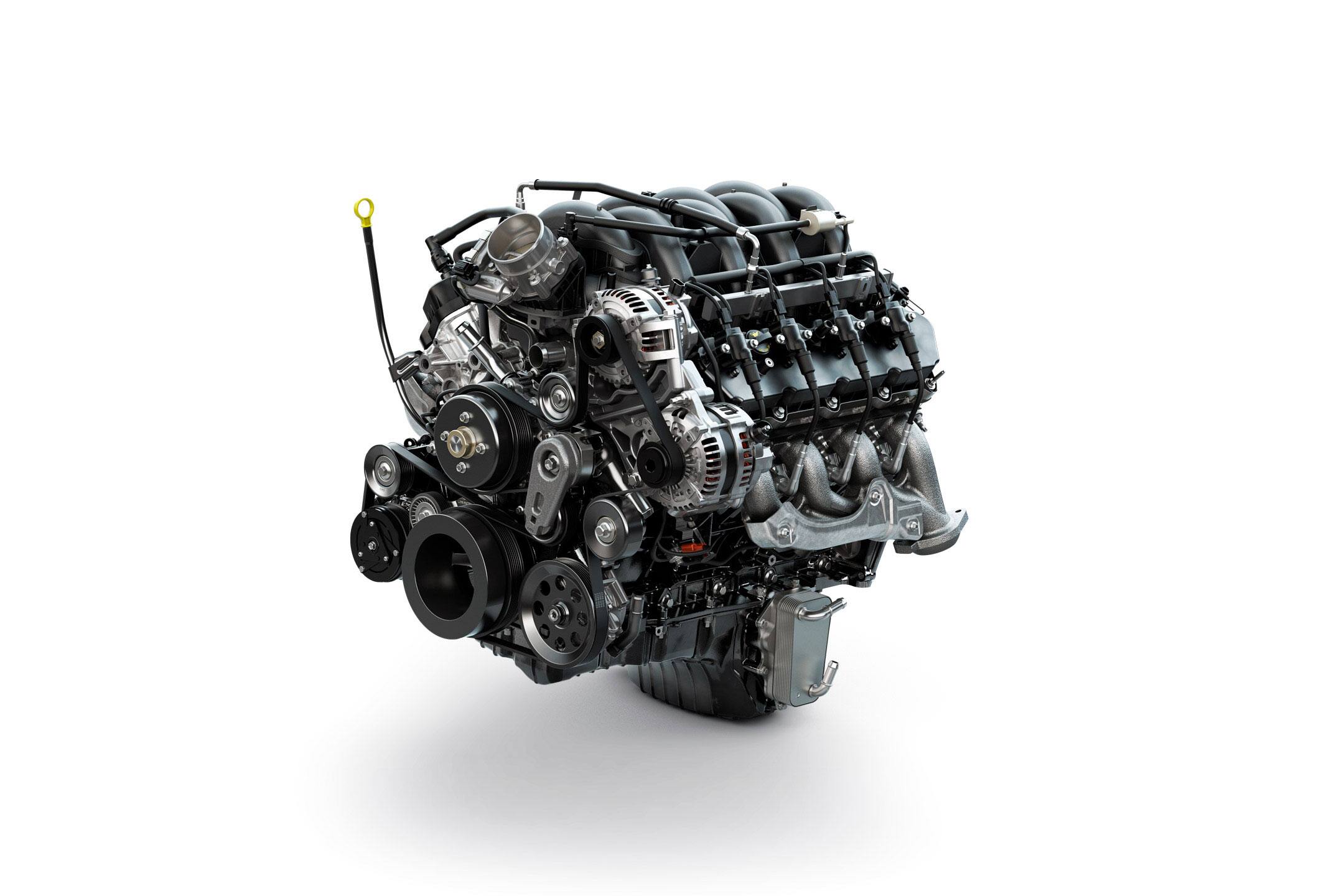
In addition to the diesel option, the F-650 also offers a gasoline-powered 7.3-liter V8 engine. This gasoline engine delivers around 350 horsepower and 468 lb-ft of torque, providing an alternative for fleet operators who prioritize gasoline-fueled powertrains for operational or maintenance reasons. Both engines are paired with a TorqShift® 6-speed automatic transmission designed for smooth shifting and durability under heavy workloads.
Performance-wise, the F-650's engines enable it to sustain higher Gross Vehicle Weight Ratings (GVWR) and superior payload capacities compared to the F-550. The diesel variant's torque curve supports better low-end power, essential for starting heavy loads from a standstill and maintaining speed on inclines. This makes the F-650 particularly well-suited for long-haul routes, construction, and industrial tasks.
Overall, the F-650's engine options provide fleet managers with flexibility to match powertrain capabilities to specific jobsite requirements, balancing fuel efficiency, power output, and maintenance considerations. This versatility ensures the F-650 can meet a broad spectrum of commercial demands with confidence and reliability.
Payload Capacity Differences Between the Ford F-550 and F-650 Explained
When comparing the payload capacities of the Ford F-550 and F-650, the distinction largely reflects their design focus and intended commercial applications. The F-550, positioned as a robust medium-duty truck, offers a payload capacity typically ranging from approximately 6,000 to 7,000 pounds, depending on configuration. This capability supports various vocational uses such as service trucks, utility vehicles, and shuttle buses, where moderate load handling is essential without compromising maneuverability or fuel efficiency.
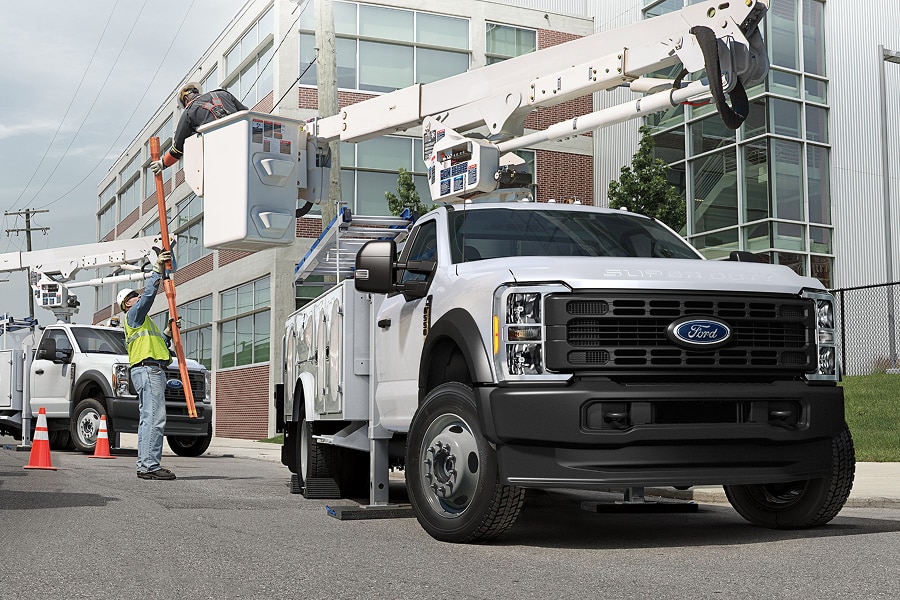
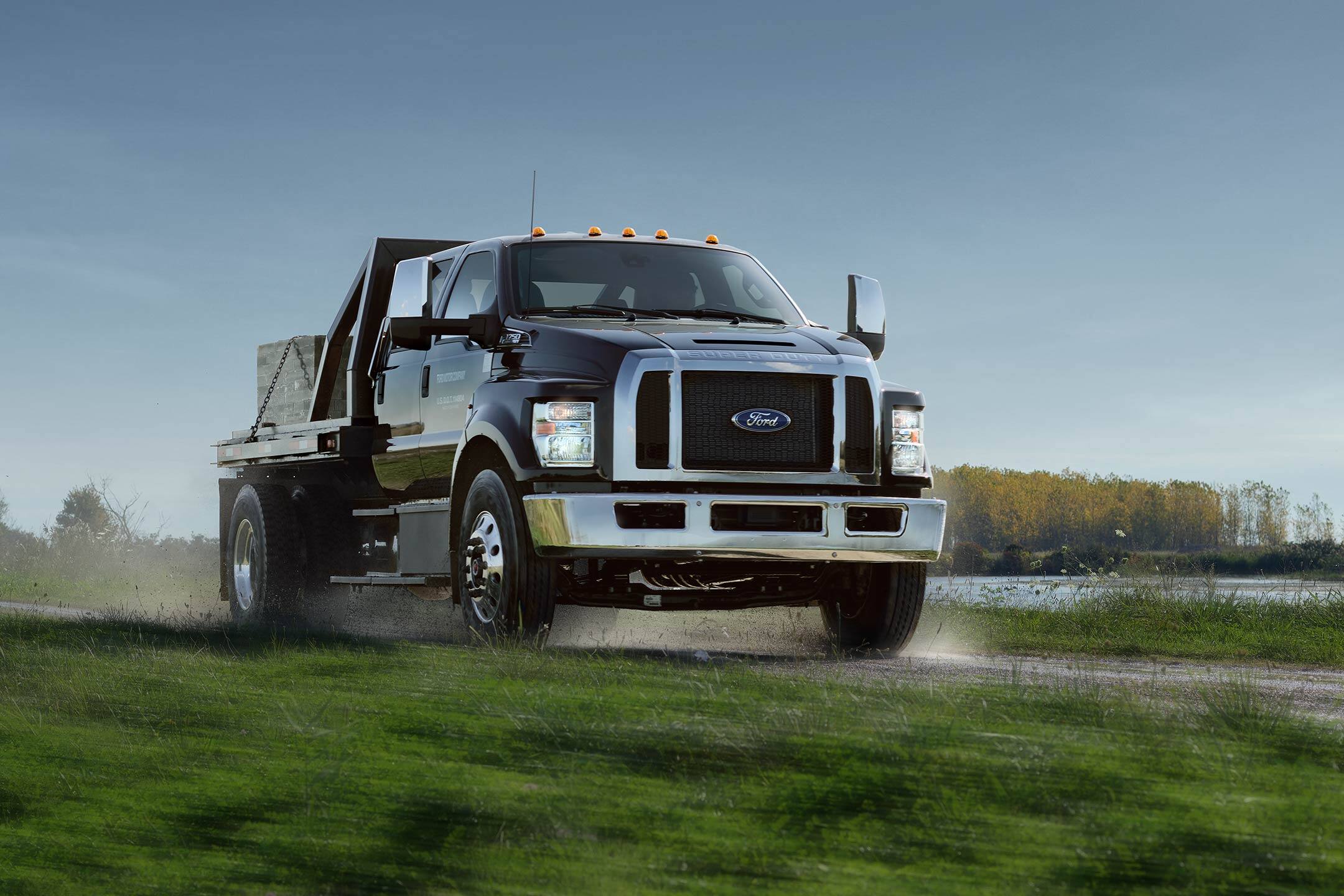
In contrast, the Ford F-650 is engineered for heavier-duty tasks, delivering significantly higher payload capacities. It can typically handle payloads exceeding 10,000 pounds, with some configurations capable of pushing even further depending on chassis and suspension choices. This makes the F-650 ideal for demanding operations such as larger commercial hauls, construction equipment transport, and substantial fleet services, where maximum load efficiency is critical.
The difference in payload capacity is directly linked to structural reinforcements, suspension systems, and frame strength. The F-650's heavier-duty frame and suspension components allow it to carry larger, more diverse loads safely and reliably over long distances or rough terrain. Meanwhile, the F-550's payload is optimized for versatility and balance, especially for fleets requiring frequent stops or urban driving.
Choosing between these trucks based on payload capacity involves assessing typical load weights, the frequency of heavy hauling, and the operating environment. Fleets prioritizing maximum load volumes with less frequent urban maneuvering benefit from the F-650's payload strengths, whereas those needing flexibility with moderate payloads often find the F-550 more practical and cost-effective.
How Does A Ford F-550 / F-650 Order Reservation Work?

Reserve
Fill out the reservation form and submit your request.

Order
We will reach out shortly before order banks open this summer to finalize configurations, verify pricing, and place your order.

Ship
We will notify you when Ford F-550 / F-650 production and deliveries begin.
Save your model selection and your spot. You will be able to complete the configurations on your Ford F-550 / F-650 before you finalize your order.