Engines and Powertrain Options
The Bronco Sport provides two turbocharged engine choices: a 1.5-liter inline-3 delivering 180 horsepower and 200 lb-ft of torque, and a more dynamic 2.0-liter inline-4 generating 250 horsepower paired with 280 lb-ft of torque. Both use Ford's refined 8-speed automatic transmission, with paddle shifters available on the 2.0-liter for added driver control. This powertrain flexibility offers precise matching to driver preferences, from efficient daily commuting to spirited off-road performance.
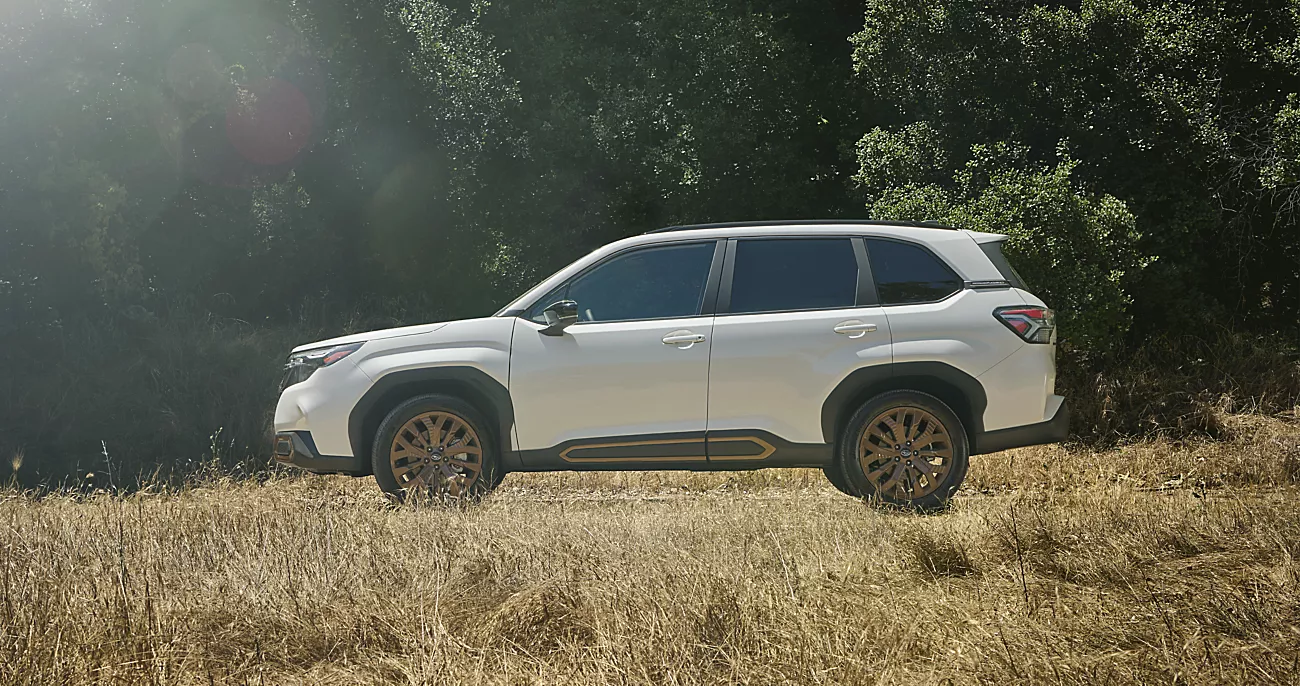
The Forester’s traditional 2.5-liter horizontally opposed flat-four engine outputs 180 horsepower and 178 lb-ft torque, paired exclusively to a continuously variable transmission (CVT). While well-tuned for smoothness and efficiency, the CVT’s performance delivery feels less immediate compared to the Bronco Sport’s automatic gearbox. The Forester Hybrid ups combined output to 194 horsepower but with a marginal 0-60 mph time around 8.6 seconds, lagging behind the Bronco Sport’s quicker acceleration.
| Performance Metric |
2026 Ford Bronco Sport |
2026 Subaru Forester |
| Base Engine Power |
180 hp (1.5L Turbo I3) |
180 hp (2.5L Flat-4) |
| Upgraded Engine Power |
250 hp (2.0L Turbo I4) |
194 hp (Hybrid combined) |
| Peak Torque |
280 lb-ft (2.0L Turbo I4) |
178 lb-ft (2.5L Flat-4 gas) |
| Transmission Type |
8-speed Automatic |
Continuously Variable Transmission (CVT) |
| 0-60 mph Acceleration |
5.9 to 8.2 seconds |
8.3 to 8.8 seconds |
| Top Speed |
118 - 125 mph |
Approximately 127 mph (manufacturer claim) |
| Towing Capacity |
2,200 lbs (1.5L) / 2,700 lbs (2.0L) |
3,500 lbs (Wilderness), 1,500 lbs (others) |
The Bronco Sport’s 2.0-liter turbocharged option uncovers spirited performance rarely matched in this segment, while the Forester’s towing advantage in Wilderness trim offers appealing utility but with a compromise to fuel economy and acceleration.
Driving Dynamics and Capability
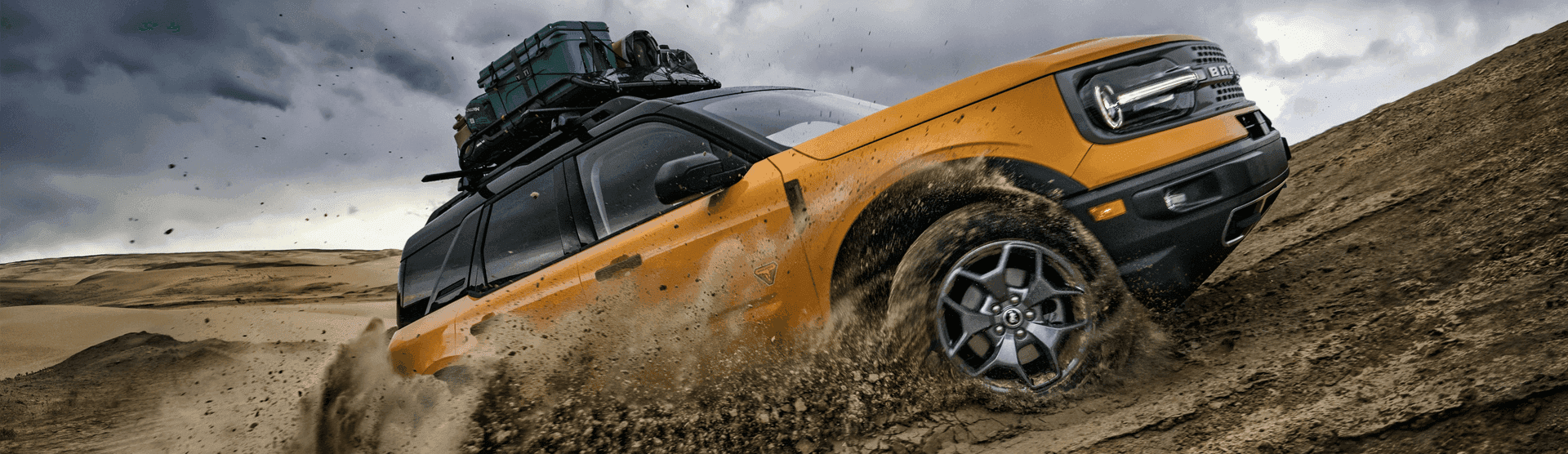
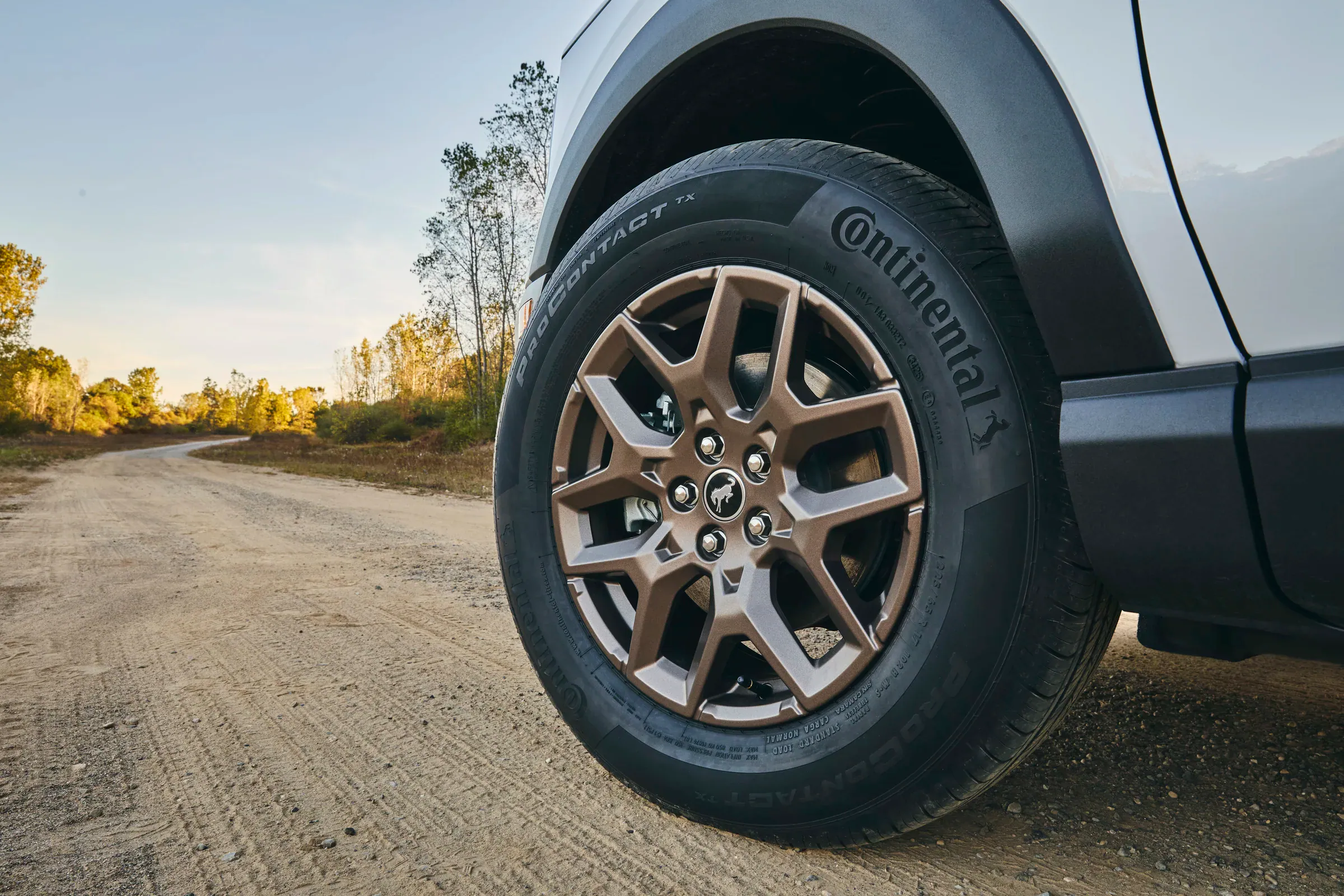
The Bronco Sport's SUV architecture and off-road packages deliver superior trail competence. The available Sasquatch package equips the vehicle with a torque-vectoring rear differential, a one-pedal off-road mode, and beefier tires designed for all-terrain battle. Enhanced suspension calibrations in the Badlands trim augment responsiveness and ride control on rough surfaces. These features couple to create an authentic adventure vehicle suited to trails around the greater Seattle area, such as Snoqualmie Pass or Mount Rainier National Park.
In contrast, the Forester Wilderness trim enhances tire size to Yokohama all-terrain models, raises ground clearance slightly to 9.3 inches, and adds additional drive modes for traction in snow and mud. However, its CVT and suspension tuning favor comfort over sportiness, limiting involvement during aggressive cornering or technical off-road maneuvers. Steering feedback is notably softer, and some drivers observe mild rear-end sway under dynamic conditions.
Braking performance and skidpad numbers further reflect the Bronco Sport’s firmer chassis setup and handling focus, making it a more confident companion on both pavement and unpaved terrain.